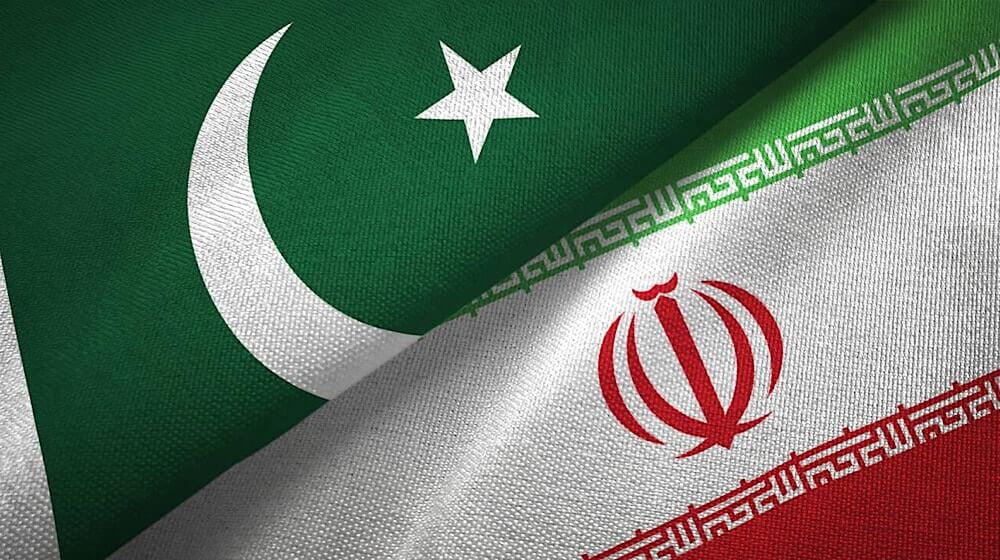
KARACHI: Pakistan has informed Iran that its authorities are prepared to handle cargo under international transhipment and transit arrangements, with procedures streamlined to ensure smooth movement under the TIR framework.
Officials said assurances were conveyed to Iranian diplomats regarding facilitation for cargo movement in line with international agreements, including the UN TIR Convention and TIR Rules, 2017.


Pakistan, a signatory to the TIR Convention, has been implementing the system since 2017, allowing cross-border transport of goods under a unified customs framework.
Authorities said the scope of the international transhipment regime has been expanded to include off-dock terminals in addition to ports to improve cargo handling and trade flows.
Under the updated framework, cargo can now be transported through Pakistan to Iran and Central Asian states using both international transhipment and TIR systems.
Officials said major ports, including Gwadar, Karachi and Port Qasim, along with border stations at Sost, Taftan and Gabd, have been enabled to process such cargo.
TIR consignments are being handled at ports as well as border crossings, while transhipment cargo is processed through ports and off-dock facilities.
Officials also said Gwadar Port is equipped to handle international transit cargo and can support expanded trade operations under the TIR system.
Customs authorities noted that Iranian border points, including Mir Javeh and Reemdan, are capable of processing TIR cargo, although the e-TIR system at Reemdan has yet to be fully updated.
In the interim, consignments can be routed through Gabd for onward movement to other TIR-enabled locations in Iran.