Customs Today
  • Home
  • Islamabad
  • Karachi
  • Lahore
  • National
  • Transfers and Postings
  • Chambers & Associations
  • Business
No Result
View All Result
Customs Today
  • Home
  • Islamabad
  • Karachi
  • Lahore
  • National
  • Transfers and Postings
  • Chambers & Associations
  • Business
No Result
View All Result
Customs Today
No Result
View All Result
Home Breaking News

Pakistan becomes world’s third-largest rice exporter in December 2025

byCT Report
20/01/2026
in Breaking News, Business, Latest News
Share on FacebookShare on Twitter

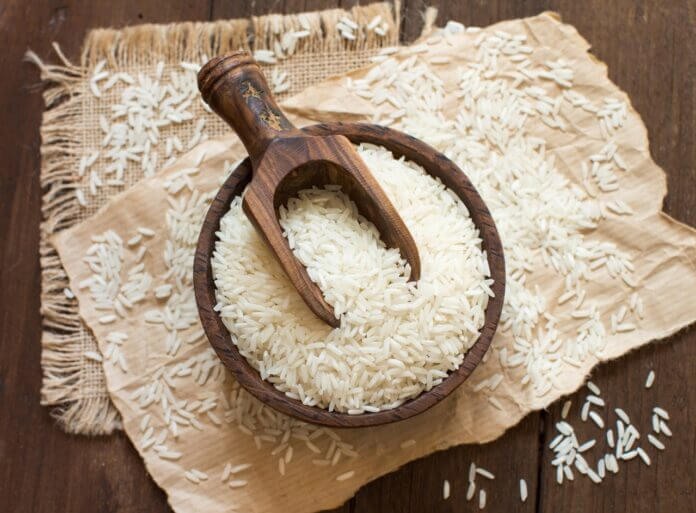
KARACHI: Pakistan’s rice exports rebounded strongly in December 2025, rising 14% month-on-month from November, largely driven by a more than 50% jump in Basmati shipments, according to Dawn.

The surge allowed Pakistan to surpass Vietnam and become the world’s third-largest rice exporter for the month, trailing only India and Thailand.

You might also like

FPCCI urges FBR to extend income tax return deadline

30/09/2026

McDonald’s Pakistan celebrates 28 years, recognises partners

30/09/2026

Trade data showed Pakistan exported 489,000 tonnes of rice in December (excluding shipments to Iran), compared with Vietnam’s 387,000 tonnes, marking its best-ever monthly performance.

The UAE remained the top buyer, importing 74,897 tonnes, including 16,850 tonnes of Basmati.

China followed closely with 74,685 tonnes.

Smaller shipments went to Oman, the US, and Canada.

A notable development was Pakistan’s growing presence in Central Asia.

Exports to Kazakhstan surpassed 17,000 tonnes, including 10,300 tonnes of Basmati, while shipments to Uzbekistan reached 10,382 tonnes.

Experts said this reflects a structural shift, with Pakistan now exporting directly to Central Asian countries instead of routing shipments through Afghanistan.

Despite the strong performance, exporters face ongoing challenges. Shipments to Iraq and Turkiye remain negligible, limiting access to major regional markets.

Prime Minister Shehbaz Sharif has directed authorities to develop a comprehensive strategy to boost rice exports and reduce the trade deficit.

Analysts say that global competition, high output from India, rising freight costs, inconsistent policies, and border disruptions have historically hurt the sector.

However, there are positives. Demand from Bangladesh remains strong, and Central Asia is emerging as a promising market.

Additionally, a 50% US tariff on Indian rice has improved Pakistan’s competitiveness in the US market.

In Iran, foreign exchange shortages have shifted import responsibility to local buyers, benefiting Pakistan due to proximity.


Related Stories

FPCCI urges FBR to extend income tax return deadline

byCT Report
30/09/2026

KARACHI: Atif Ikram Sheikh, President of the Federation of Pakistan Chambers of Commerce & Industry (FPCCI), has formally urged the...

McDonald’s Pakistan celebrates 28 years, recognises partners

byCT Report
30/09/2026

ISLAMABAD: McDonald’s Pakistan has marked 28 years of operations in the country by recognizing the local businesses and organizations that...

Punjab’s e-Biz platform processes over 146,000 business applications

byCT Report
30/09/2026

LAHORE: Punjab’s e-Biz platform has processed 146,025 business applications out of 176,243 received, as the province expands digital services for...

FBR may extend tax deadline by 15 days

byCT Report
30/09/2026

ISLAMABAD: The Federal Board of Revenue (FBR) is likely to extend the deadline for filing income tax returns for Tax...

Next Post

FCC urged to ensure tax charges governed by law in force on last day

  • Terms and Conditions
  • Disclaimer

© 2011 Customs Today -World's first newspaper on customs. Customs Today.

No Result
View All Result
  • Transfers and Postings
  • Latest News
  • Karachi
  • Islamabad
  • Lahore
  • National
  • Chambers & Associations
  • Business
  • About Us

© 2011 Customs Today -World's first newspaper on customs. Customs Today.