KARACHI: Pakistani exporters have expressed concern over uncertainty in the United States’ tariff regime following a US Supreme Court decision to strike down tariffs introduced under President Donald Trump’s emergency powers.
The US is Pakistan’s largest export destination, and traders say frequent changes in tariff policy have created confusion for exporters already dealing with high domestic taxation and financing costs.

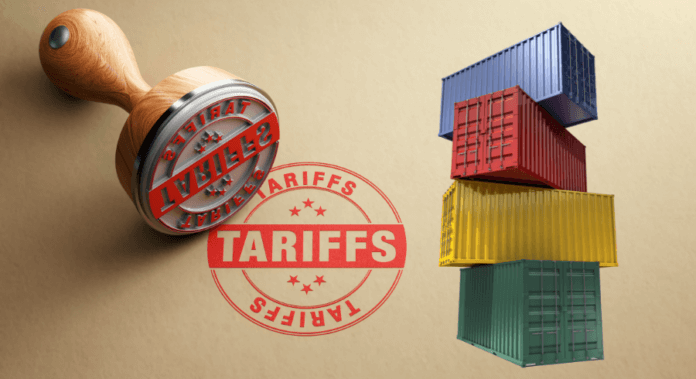
Before the court ruling, Pakistani goods faced a 19 percent tariff in addition to an existing 10 percent duty, bringing the total to 29 percent. On February 20, the court invalidated those tariffs introduced under an emergency law. President Trump subsequently announced a 10 percent global tariff under a different legal framework.
Exporters fear that continued policy shifts could affect shipments to the US, which runs a trade deficit of $1.2 trillion and a current account deficit of around four percent of GDP.
Jawed Bilwani, former president of the Karachi Chamber of Commerce and Industry, said repeated changes in tariff rules had created confusion for exporters. He added that the industry was already burdened by a super tax that had generated Rs350 billion from the sector.
He noted that the State Bank of Pakistan had reduced the interest rate on export financing, but international lenders including the IMF had expressed reservations about the facility.
Exporters said that while existing orders from the US remain in place, uncertainty over tariff policy is affecting new contracts. They cautioned that the impact may become clearer in the next fiscal year.
In FY25, Pakistan exported goods worth $6 billion to the US. During the first seven months of FY26, exports stood at $3.69 billion, compared with $3.56 billion in the corresponding period of the previous year. Exporters said these figures reflect earlier shipments, while new orders face uncertainty under the revised tariff regime.