Customs Today
  • Home
  • Islamabad
  • Karachi
  • Lahore
  • National
  • Transfers and Postings
  • Chambers & Associations
  • Business
No Result
View All Result
Customs Today
  • Home
  • Islamabad
  • Karachi
  • Lahore
  • National
  • Transfers and Postings
  • Chambers & Associations
  • Business
No Result
View All Result
Customs Today
No Result
View All Result
Home Breaking News

Pakistan must create 30m jobs over next decade: World Bank president

byCT Report
05/02/2026
in Breaking News, Karachi, Latest News
Share on FacebookShare on Twitter

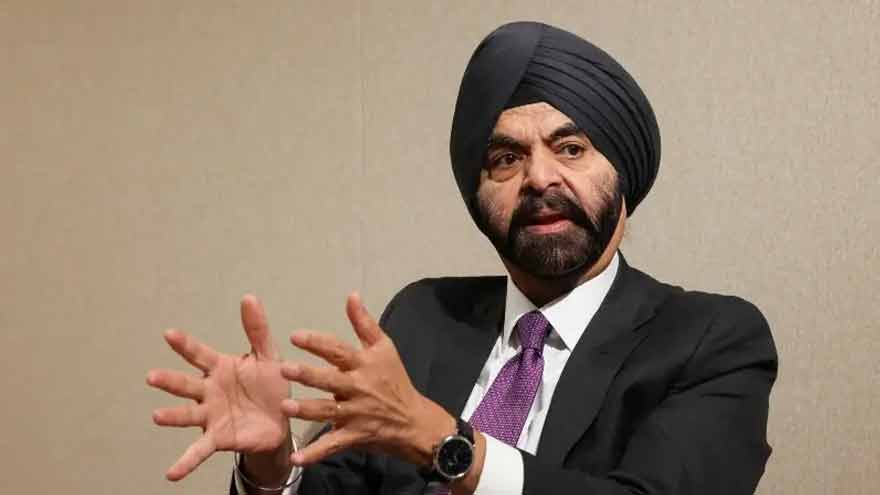
KARACHI: Pakistan must create up to 30 million jobs over the next decade to turn its youth bulge into an economic dividend or risk instability and outward migration, World Bank President Ajay Banga has stressed.

Pakistan is entering the implementation phase of a 10-year Country Partnership Framework (CPF) deal agreed with the World Bank last year, while also working with the International Monetary Fund to stabilise its economy.


You might also like

FBR to launch faceless tax audit system

13/06/2026

FBR bans PDF financial statements for companies

13/06/2026

But Islamabad is still facing mounting pressure to deliver sustained growth and jobs.

“We’re trying to move the bank group as a whole from the idea of projects to the idea of outcomes,” Banga said in an interview with Reuters in Karachi during a visit to Pakistan this week.“Job creation is the North Star.”

Generational challenge

Pakistan needs to generate 2.5m to 3m jobs a year – roughly 25m to 30m over the next decade – as millions of young people come of age, Banga said.

Failure to do so could fuel “illegal migration or domestic instability”.

Banga said Pakistan’s population dynamics mean employment creation will remain a binding constraint on growth over the long term, rather than a secondary policy goal.

“This is a generational challenge,” he said.

The CPF commits around $4 billion a year in combined public and private financing from the World Bank Group, with roughly half expected to come from private-sector operations led by the International Finance Corporation.

Banga said the reliance on private capital reflects a country where the government has limited spending capacity and 90 per cent of jobs are created in the private sector.

Banga said Pakistan’s job strategy rests on three pillars: investment in human and physical infrastructure, business-friendly regulatory reforms, and expanded access to financing and insurance, particularly for small firms and farmers that typically lack bank credit.

Related Stories

FBR to launch faceless tax audit system

byCT Report
13/06/2026

ISLAMABAD: The Federal Board of Revenue (FBR) is set to introduce a faceless audit and assessment system across all four...

FBR bans PDF financial statements for companies

byCT Report
13/06/2026

ISLAMABAD: The Federal Board of Revenue (FBR) has proposed a major shift toward digital tax administration through the Finance Bill...

SBP unveils first-ever research agenda for 2026-2029

byCT Report
13/06/2026

KARACHI: The State Bank of Pakistan (SBP) has launched its inaugural Research Agenda for 2026-2029, outlining key research priorities aimed...

Pakistan empowers custom courts to freeze assets in illegal fund transfer trials

byCT Report
13/06/2026

ISLAMABAD: The Pakistani government has introduced a major legislative amendment through the Finance Bill, 2026, granting Special Judges the authority...

Next Post

Pakistan explores other markets for potato export amid closure of trade with Afghanistan

  • Terms and Conditions
  • Disclaimer

© 2011 Customs Today -World's first newspaper on customs. Customs Today.

No Result
View All Result
  • Transfers and Postings
  • Latest News
  • Karachi
  • Islamabad
  • Lahore
  • National
  • Chambers & Associations
  • Business
  • About Us

© 2011 Customs Today -World's first newspaper on customs. Customs Today.