KARACHI: Pakistan is preparing a series of changes to its liquefied petroleum gas (LPG) policy, including stricter quality checks on imported supplies, revised licensing requirements and the construction of a new storage terminal at Port Qasim.
According to documents from the Ministry of Petroleum, more than 800 LPG bowsers operating across the country have been identified as substandard.


Approximately 2,000 bowsers are currently being used to transport LPG nationwide, highlighting concerns over the safety and quality of the distribution system.
New testing system planned for imported LPG
The government has proposed introducing a hydrocarbon testing system at entry points to verify the quality of imported LPG.
Documents suggest that the testing mechanism could be established by June 30, 2027.
The Oil and Gas Regulatory Authority (OGRA) will also conduct regular audits of licensed companies to examine their sales, storage facilities, cylinder inventories and filling capacities.
Port Qasim to get new LPG terminal
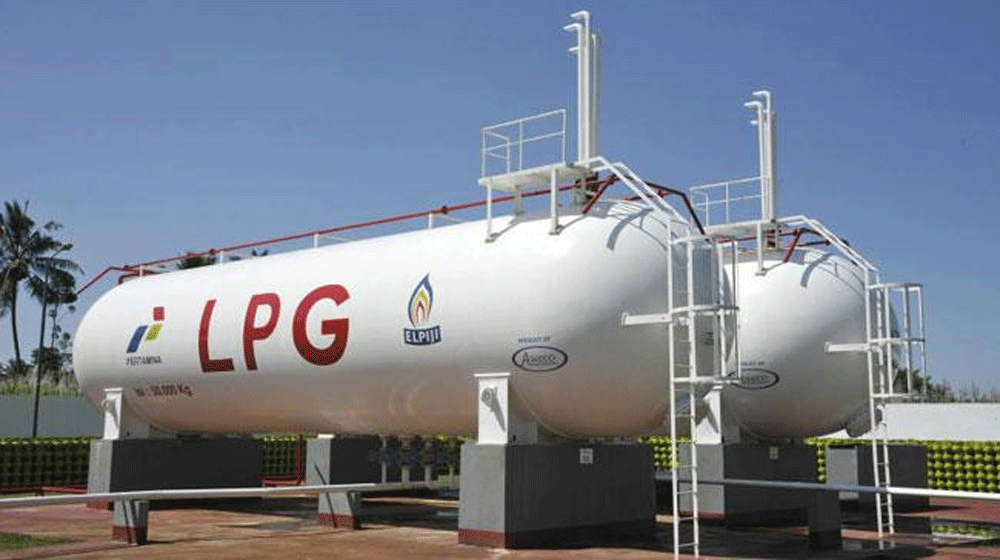
The proposed policy includes establishing a new LPG terminal at Port Qasim with a total storage capacity of 40,000 metric tons.
In the first phase, the project is expected to provide storage capacity of between 10,000 and 12,000 metric tons.
The government plans to allocate land and a berth at Port Qasim for the facility, with a proposal to provide the terminal access to the Sui Southern Gas Company (SSGC) jetty.
Authorities will also assess the need for dredging the maritime channel to accommodate vessels with a capacity of up to 25,000 deadweight tons.
LPG pricing and profit margins under review
The proposed guidelines also outline changes to the pricing mechanism for imported LPG.
The import price will include freight, insurance, import premiums, other associated costs and applicable taxes.
Under the proposed arrangement, LPG producers will receive a fixed price, while any surplus amount will be transferred to a designated fund account.
Companies involved in LPG imports and marketing will be allowed to determine their own profit margins and freight charges. Importers will also be responsible for determining marketing companies’ margins and freight expenses.
Licensing requirements may become stricter
The government is also considering linking LPG marketing company licences to investment commitments and third-party audits.
A minimum investment threshold has been proposed for companies seeking marketing licences. Additionally, state-owned companies may be authorised to enter into government-to-government agreements for LPG imports.
The proposed measures aim to strengthen quality monitoring, improve storage and transportation infrastructure, and introduce greater oversight of Pakistan’s LPG market.