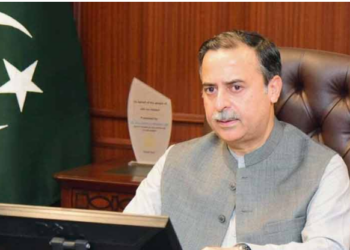

KARACHI: Consul General of Sri Lanka in Karachi P.K. Sanjeewa Pattiwila has called for a more proactive approach to Pakistan-Sri Lanka trade, stressing that despite the bilateral trade agreement signed in 2005 and duty-free access available to both countries, trade relations have yet to achieve their considerable potential. He urged both countries to address trade-related technical barriers, review restrictive measures and strengthen business-to-business engagement to expand market access and create new commercial opportunities.
Speaking during his visit to the Karachi Chamber of Commerce & Industry (KCCI), he observed that both countries had adopted an overly defensive approach to trade, whereas businesses needed to pursue markets more aggressively and work with relevant authorities to remove obstacles. “In the business world, we cannot always remain on the defensive. We must proactively pursue markets and break down barriers to unlock the true potential of bilateral trade”, he emphasized.


President KCCI Talat Mahmood, Senior Vice President Aslam Pakhali, Vice President Atif Jamil Ur Rahman, Ex-Officio Rehan Hanif, and KCCI Executive Committee Members attended the meeting.
Sri Lankan CG highlighted the substantial imbalance in bilateral trade, noting that Pakistan’s exports to Sri Lanka stood at approximately US$450 million, compared with Sri Lankan exports to Pakistan of around US$90 million. Pakistan exports a range of industrial products, including cement and heavy materials, while Sri Lankan exports include betel leaves, electrical and electronic products, finished textile garments and, more recently, pineapples.
He stressed that there was considerable scope to diversify the export basket in both directions and encouraged Pakistani businesses to explore emerging opportunities in the Sri Lankan market. He also assured KCCI members of his support in facilitating trade-related engagement and addressing difficulties encountered by businesses.
Sanjeewa Pattiwila pointed out that although the two countries had established a bilateral trade framework, various technical barriers and additional taxes continued to affect market access. He urged both sides to engage in constructive dialogue with government authorities to identify and resolve these issues, citing the successful facilitation of pineapple exports as an example of how targeted engagement could open new opportunities.