TEHRAN: Pakistan is set to become a major and reliable source of rice supplies for Iran after a landmark ministerial meeting between the two neighboring nations.
The breakthrough marks a significant step toward strengthening agricultural and trade ties, while also opening up new opportunities for Pakistan’s farming and export sectors.

Federal Minister for National Food Security & Research, Rana Tanveer Hussain, led Pakistan’s delegation to the High-Level Ministerial Meeting on Food Security and Agricultural Cooperation in Tehran. During the discussions, Iran formally agreed to source a large share of its rice imports from Pakistan. This commitment will include both government procurement and private-sector contracts, ensuring that Pakistani exporters gain access to a steady and long-term market. For Pakistan’s agricultural community, particularly rice farmers, this decision is expected to create new avenues for income growth and rural development.
The Minister emphasized that rice has long been one of Pakistan’s leading export commodities, and now, with Iran’s cooperation, it is poised to reach even greater potential. The agreement also provides assurances that longstanding trade hurdles—such as delays in issuance of permits and restrictions on foreign exchange allocations—will be addressed immediately. This will not only boost rice exports but also help accelerate Pakistan’s mango shipments to Iran, which had been facing procedural bottlenecks.
The Iranian side, led by Minister Gholamreza Nourozi, expressed keen interest in expanding cooperation beyond rice. Iran confirmed its readiness to procure a substantial portion of its meat and livestock needs from Pakistan, with up to 60 percent of imports expected to be covered. In addition, maize imports from Pakistan were discussed, with commitments made to remove technical barriers swiftly.
Another highlight of the meeting was the agreement to promote scientific collaboration between the Pakistan Agricultural Research Council (PARC) and Iranian research organizations. This cooperation will focus on crucial areas such as water management, livestock breeding, and innovative farming techniques. By leveraging technology and shared expertise, both countries aim to enhance agricultural productivity and food security.
To ensure smooth trade flows, the two sides agreed on practical facilitation measures. These include upgrading border infrastructure, setting up modern cold chain systems, and improving customs procedures to allow perishable goods like mangoes and meat to reach Iranian markets without delays. Such steps are seen as vital for sustaining the competitiveness of Pakistan’s exports.
Looking ahead, both Pakistan and Iran reaffirmed their resolve to negotiate a Free Trade Agreement (FTA), which will provide a comprehensive framework for agricultural and industrial cooperation. To monitor the progress, a Joint Committee on Agricultural Cooperation will convene every six months, ensuring that the commitments made are implemented effectively.
At the conclusion of the talks, Minister Hussain thanked the Government of Iran for its hospitality and reiterated Pakistan’s vision, under Prime Minister Mian Muhammad Shehbaz Sharif, to deepen trade with neighboring countries. He described the meeting as a turning point in bilateral relations, particularly for rice exporters, and extended an invitation to his Iranian counterpart to visit Pakistan for further engagement.
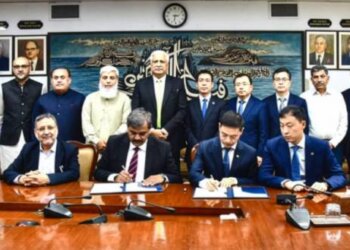
The signing of a Joint Communiqué sealed the outcomes, signaling the dawn of a new era in Pakistan-Iran agricultural cooperation, with rice trade at its core.