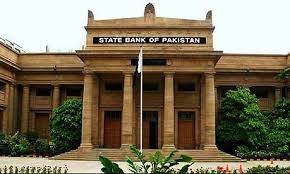
KARACHI: Pakistan’s total debt and liabilities have climbed by Rs12 trillion or 23.7% in the first quarter of the current fiscal year, with analysts saying a delay in loan tranche from the International Monetary Fund (IMF) and devaluation of the rupee pushed the numbers up significantly.
The debt and liabilities stood at Rs62.46 trillion in July-September FY2023, compared with Rs50.49 trillion in the same period of last fiscal year, the central bank data showed on Thursday.


The country’s debt rose 24.7% to Rs59.37 trillion, while total liabilities increased 23% to Rs3.56 trillion.
Fahad Rauf, head of research at Ismail Iqbal Securities said the increase in the debt was mainly coming from external sources. “Mostly the IMF loan tranche of $1.2 billion and the impact of the rupee depreciation on overall external debt.”
The government’s domestic debt increased by 18.7% to Rs31.40 trillion. The foreign debt stood at Rs17.99 trillion in July-September FY2023, 30.2% up from a year earlier, according to the figures from the State Bank of Pakistan (SBP).
Total external debt and liabilities jumped 33.4% to Rs28.94 trillion.
“Managing debt obligations is one of the biggest challenges facing the government,” said Mustafa Mustansir, head of research at Taurus Securities.
He said debt servicing was one of the reasons for the rise in the country’s debt, including the rising fiscal and external obligations. “The rupee depreciation affects external borrowing costs. Similarly, local borrowing costs rise when the policy rate increases.”
The State Bank of Pakistan’s (SBP) data also showed that public debt fell to Rs49.4 trillion at the end of September from Rs49.5 trillion a month ago. The debt rose by Rs9.1 trillion or 22.7% year-on-year in September.
Pakistan’s five-year credit default swap (CDS), the cost of insuring exposure to the country’s sovereign debt, surged to 7,550 basis points (bps) on Tuesday, up 1,929 bps from Monday’s close, according to data from Arif Habib Limited.
During the current week, the government’s CDS level remained high on investors’ concerns that the country might not fulfil its commitment to repay creditors $1 billion because the Sukuk is set to mature on December 5, 2022.
“Pakistan will likely make payment on maturity as it is in the IMF programme,” according to an analyst.
Complications, concerns
However, there are concerns about the conclusion of the ninth review of the IMF’s bailout package.
Although the date has not yet been set, the IMF staff mission is anticipated in Islamabad by the end of the current month because the Fund needs Pakistan to make necessary modifications first.
The government is requesting some exceptions on performance criteria due to flood losses and the Fund’s insistence on maintaining the agreed tax-to-GDP ratio of at least 11%.
The delay in the IMF’s review is making foreign investors more anxious.
The situation seems more complicated as the country is facing many difficulties, including political unpredictability, threats to exports and remittances as a result of the global economic recession, and significant gross financing requirements in the years to come.
“These risks alongside rating downgrades have worsened the perception among investors. Hence the increase in default spreads,” the analysts said.
The country’s external debt and liabilities inched down to $126.9 billion as of September 30, 2022, from $127 billion a year ago.
Due to the repayment of foreign debt, the nation is anticipated to experience significant potential outflows during the current quarter, which might put pressure on both the foreign currency reserves and the currency.