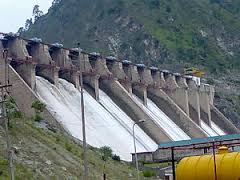
KARACHI: Pakistan’s hydroelectric power production hit a historic high at 5,668 gigawatt-hours (GWh) in August 2019 as the environment-friendly and cheap energy resource made a major contribution to the total energy mix.
According to media, the high production from the renewable energy source helped reduce the country’s reliance on expensive oil-based power generation and slashed the overall cost of production by 13% to Rs4.83 per unit.


“Hydel-based power generation registered an all-time high … during August 2019,” Arif Habib Limited analyst Rao Aamir Ali said while commenting on the electricity production data released recently by the regulator – the National Electric Power Regulatory Authority (Nepra).
The rise in hydel power generation came following the addition of new plants to the system which included the Neelum-Jhelum and Tarbela 4th Extension projects, he said.
The Neelum-Jhelum hydroelectric power project, with installed capacity of 969 megawatts, came on line in a phased manner between April and August 2018. On the other hand, the Tarbela 4th Extension hydroelectric power project, with production capacity of 1,410MW, started commercial operations in October 2018.
Widespread rains and improved water levels in dams helped achieve the historic high power production from the hydel plants this year.
The surge in hydroelectric power production also increased its share in the total electricity generation to an all-time peak at 40%. This helped reduce reliance on expensive sources of power production like furnace oil and diesel as total generation remained almost flat at 14,052GWh in August this year compared to 14,017GWh in August last year.
“During the month, the share of hydel power generation rose to 40% compared to 32% in August 2018. In addition to this, the share of coal-based generation (another cheap source) increased to 13% compared to 10% in August 2018,” Ali said. The share of furnace oil in overall power production dropped to 4% compared to 12% last year.
The government has chalked out a plan to phase out oil-based power generation and produce more electricity through cheaper, cleaner and renewable energy sources.
It, however, has missed some of the targets but has managed to increase production from the cheaper coal fuel. At the same time, it may have polluted the environment as coal is a dirty fuel.
The cost of power production from imported re-gasified liquefied natural gas (RLNG) remained high compared to earlier assumptions that it would be a cheaper source. Its cost was almost equal to or slightly lower than that of furnace oil.
Moreover, electricity production from renewable energy sources like wind and solar dropped to 3% in August this year compared to 5% in the same month last year, the data showed.
However, the change in energy mix helped curb the cost of power generation by almost 13% to Rs4.83 per unit (kilowatt-hour) in August 2019 compared to Rs5.55 per unit in August 2018.
The drop in the cost was led by a 27% surge in hydroelectric power production to 5,668GWh compared to 4,478GWh last year.
Furnace oil-based generation fell 69% to 506GWh. Fuel cost of coal-based generation decreased 13% while power production from the source increased 40% in the month under review. Nuclear-based power generation – also a cheap source – went up 4%.
However, the generation based on locally produced gas, which was a much cheaper fuel than the imported RLNG, showed a decline of 18.2% to 1,668GWh. RLNG-based generation increased marginally by 0.9%, which was an expensive source of power generation.