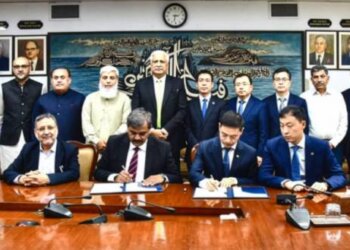
LAHORE: The Oil and Gas Regulatory Authority (OGRA) has taken a major step toward modernising Pakistan’s petroleum sector by launching the second phase of its oil supply chain digitisation project. This phase introduces a sophisticated Track & Trace system developed in collaboration with the Punjab Information Technology Board (PITB). The new system will monitor petroleum product movement from refineries and import terminals to storage depots, tankers, and retail outlets in real time.
This digital tracking uses ERP platforms, GPS devices, and centralised dashboards, aiming to improve supply chain transparency and operational efficiency. OGRA’s spokesperson, Imran Ghaznavi, highlighted that this initiative also seeks to curb illegal activities like fuel decanting and cross-border smuggling, which cause significant revenue losses and disrupt supply.


Previously, OGRA partnered with the Federal Board of Revenue (FBR) and the Oil Companies Advisory Council (OCAC) to launch the Raahguzar mobile app. This app helps consumers find licensed fuel stations through GIS mapping. Building on this, the Track & Trace system extends regulatory oversight to the entire logistics network, ensuring accountability at every stage.
Currently, over 29 Oil Marketing Companies (OMCs) operate ERP-based management systems, and approximately 15,000 oil tankers have GPS devices installed. This infrastructure forms the foundation for the nationwide implementation of the new system. OGRA Chairman Masroor Khan stated that this project enhances governance, boosts public safety, and strengthens consumer trust in the petroleum supply chain.
Overall, OGRA’s digitisation initiative reflects a commitment to adopting modern technology for better regulation and protection of Pakistan’s energy sector. The authority envisions a data-driven approach to ensure fuel security, improve efficiency, and reduce illegal practices across the country.