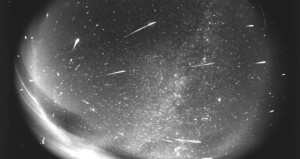
LONDON: Astronomers don’t spend all of their nights staring at a few favorite stars, or searching for novae or navel-gazing. Sometimes we’re treated to something more obvious; something anyone can do without any training or study: meteor showers. This August, the Perseid meteor shower will peak during the night between August 12th and 13th, so unless you’re in the middle of monsoon season, why not make the time to enjoy it?
This year the Perseid meteor shower is slated to be the best of its kind in five years. Why? Two things. Firstly, there will be no Lunar interference, as it will be absent from the night sky, and the Earth will have made an unusually close pass through the stream of space debris leftover from Comet 109/P Swift-Tuttle, the cause of the shower. This highly anticipated close pass means that the meteor shower will last for several hours, much longer than the Perseid shower usually does.