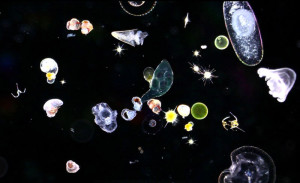
NEW YORK: The rapid growth of a microscopic marine alga in North Atlantic is a result of environmental changes such as the increase of carbon dioxide levels in water, a new study found.
Researchers from John Hopkins University found that there is a tenfold increase in the number of coccolithophores, single-celled algae and protists that are found throughout the world’s oceans, from 1965 to 2010. In the last five decades, these tiny calcifying plants that are part of the foundation of the marine ecosystem have dramatically increased from 2 percent to more than 20 percent in 2010, with spikes recorded in the 1990s.
“Something strange is happening here, and it’s happening much more quickly than we thought it should,”Anand Gnanadesikan, associate professor in the Morton K. Blaustein Department of Earth and Planetary Sciences at Johns Hopkins said.


Based on their study of Sir Alister Hardy Foundation (SAHFOS) Continuous Plankton Recorder survey data since the 1960s in North Atlantic Ocean and North Sea, researchers found that carbon dioxide level in the ocean caused the rapid increase in population of coccolithophores.
According to the scientists, they are not sure if the rapid increase in marine alga could pose a benefit or harm to the planet. It could be good for creatures that feed on tiny plants but its negative effect on the ocean’s ecosystem is yet to be determined.
The balance in the ecosystem greatly depends on how each unit thrive or behave in the habitat. If one unit will increase or decrease in number, this may lead to drastic changes not only to the other units in the ecosystem, but of the whole marine life as well.
The study sheds light on the effects of increasing carbon to marine creatures. “Such real-life examples of the impact of increasing CO2 on marine food webs are important to point out as the world comes together in Paris next week at the United Nations Conference on Climate Change,” explained Dr. William Balch, senior research scientist at the Bigelow Laboratory for Ocean Sciences and a co-author of the study.