AMMAN: Implementation of a multimillion-dollar project to enhance food security and agricultural productivity across the Kingdom will commence in March, according to a senior government official.
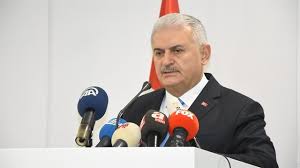
The mega-project will train people from all governorates on vocational agricultural skills and “agribusiness management”, and then secure them with funds to start their own food and animal production projects, Minister of Agriculture Khaled Hneifat said on Thursday.

“The national project seeks to improve food security and self-sufficiency in livestock and agricultural products, while securing people with a sustainable source of living,” Hneifat noted at a meeting with the press. The project is worth JD14 million, he said, highlighting that it is scheduled to be completed by the end of this year.
Under the scheme, the Agriculture Ministry plans to train people across the Kingdom on vocational agricultural and agribusiness skills for two months before identifying in which agricultural or vocational field they seek to start their own businesses.
The project also entails providing funding for proposed business ideas, Hneifat said, noting that permanent markets will be established in each governorate to display the products of the small businesses which will be established under the mega scheme. A private firm will be responsible for collecting, marketing and selling the products at the permanent markets, according to the minister, who added that it will receive a percentage of the sales.
“The markets will be built before the end of this year,” Hneifat said. The ministry has already secured JD650,000 for the two-month training, he noted, adding that it is in the process of securing the funding of the project from the World Food Programme.
“Our goal is to strengthen the country’s self-sufficiency to reduce its reliance on imports,” the minister stressed. Opening new markets and also retrieving lost ones for the country’s exports of fruits, vegetables and live sheep are also among the ministry’s top challenges.
The Kingdom’s agricultural sector is suffering due to regional conflicts and instability. Jordan has lost the Syrian and Iraqi markets, whether as major exporting destinations for animal and food products or as transit points for exports to Europe and the Gulf, Hneifat said.
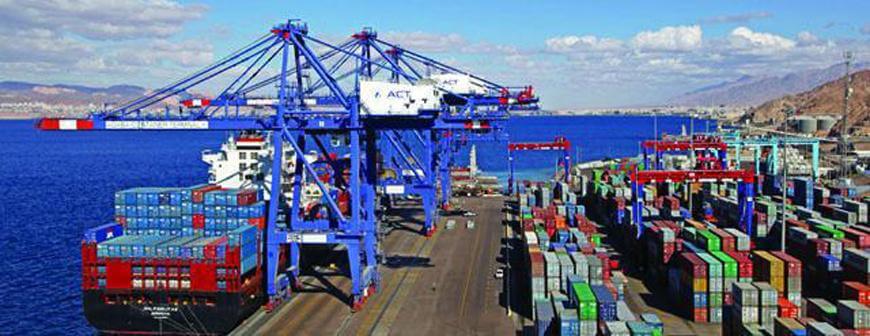
The Karameh-Tureibil crossing on the border between Jordan and Iraq, the gateway for Jordanian produce to reach Iraqi and European markets, was closed in the summer of 2015. Also in 2015, Jordan closed the Jaber border crossing with Syria for security reasons, while Ramtha, the other border crossing with the war-torn country, has been closed for nearly five years.
“The country used to export 700,000 tonnes of fruits and vegetables to Iraq and Syria per year, but now we are only exporting 90,000 tonnes annually to Iraq and at much higher costs because exports reach the Iraqi market via Kuwait,” Hneifat said. In addition to the drop in produce exports, Jordan also registered a drop in its exports of live sheep to the Gulf Arab market in 2016, according to the ministry, which indicated that exports of live sheep to the Gulf Arab market last year stood at 422,000 heads; a 26.4 per cent drop compared to 2015.
The ministry is working to find new marketing portals for local fruit and vegetables, the minister underscored, highlighting that he has already met with over 20 ambassadors to Jordan to facilitate exporting to their countries. The ministry seeks to increase exports to Israel, the West Bank and the Gulf, Hneifat said, noting that 4,000 tonnes of produce were exported to Israel during the past month.