

Customs Today
  • Home
  • Islamabad
  • Karachi
  • Lahore
  • National
  • Transfers and Postings
  • Chambers & Associations
  • Business
No Result
View All Result
Customs Today
  • Home
  • Islamabad
  • Karachi
  • Lahore
  • National
  • Transfers and Postings
  • Chambers & Associations
  • Business
No Result
View All Result
Customs Today
No Result
View All Result
Home Hungry

Poland, Hungary seek to take charge of ‘economic patriotism’

byCT Report
17/10/2016
in Hungry
Share on FacebookShare on Twitter

BUDAPEST: Two decades ago, post-communist Hungary and Poland were beacons for foreign investment. Both countries benefited hugely as that investment brought new technology and financing, and created jobs. Foreign companies buying state assets also stopped “oligarchs” taking chunks of the economies at cheap prices.

But as the 2008 financial crisis revealed, Poland, Hungary and their neighbours were left with economies, especially banking systems, dominated by outsiders. Now senior officials from the two countries suggest too much economic sovereignty was lost.

You might also like

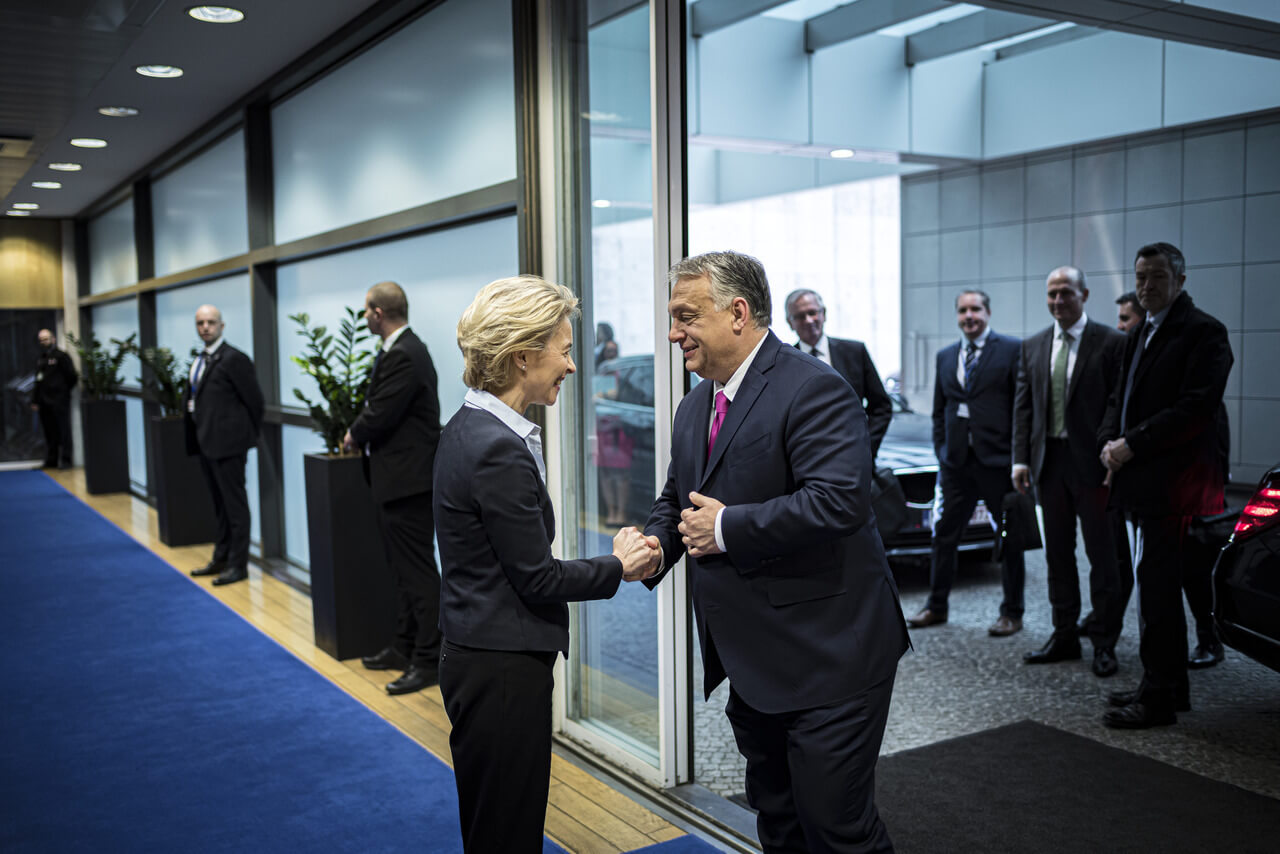
PM Orbán calls for EU budget to be put on ‘fair footing’

04/02/2020

ÁKK sells HUF 40 billion of bonds at switch auction

23/01/2020

“These are national economies and the security of national economies must involve national influence. This is what I believe is economic patriotism,” said Viktor Orban, Hungary’s prime minister, at an appearance last month with Jaroslaw Kaczynski, who leads Poland’s governing Law and Justice party. Mr Kaczynski said he shared many of Mr Orban’s views.

What does this mean for the investments of foreign businesses? So far the picture is mixed. Since 2010, Mr Orban’s Fidesz government has slapped “crisis” taxes on the retail, telecoms and energy sectors, dominated by foreign businesses. It imposed Europe’s highest banking levy on mostly foreign-owned banks. Banks were forced to bear the costs of converting into local currency billions of dollars of mortgages issued in foreign currencies after borrowers were hurt by exchange rate moves in 2008.

As bank profits plummeted, two midsized foreign-owned banks sold out to Hungarian state-owned buyers, fulfilling Mr Orban’s aim of raising national bank ownership above 50 per cent. After the government cut utility prices, some foreign companies also left.

Related Stories

PM Orbán calls for EU budget to be put on ‘fair footing’

byadmin
04/02/2020

Prime Minister Viktor Orbán called for the European Union budget to be put on a “fair footing”, adding that the...

ÁKK sells HUF 40 billion of bonds at switch auction

byadmin
23/01/2020

The Government Debt Management Agency (ÁKK) sold HUF 40 billion of bonds maturing in 2026 and 2031, accepting ones expiring...

Equilor forecasts 3.8% economic growth for 2020

byadmin
14/01/2020

GDP could grow by 3.8% in 2020 and economic growth could slow to 3.5% in 2021, analysts at Equilor Investment...

Hungarian competition watchdog slaps EUR 5.5m fine on Telenor Hungary

byadmin
23/12/2019

The Hungarian competition watchdog GVH imposed a 5.45-million-euro (6-million-U.S.-dollar) fine on mobile provider Telenor Hungary for misleading commercial practices, GVH...

Next Post

Kuwait International Bank’s profits increase by 14% in Q3

  • Terms and Conditions
  • Disclaimer

© 2011 Customs Today -World's first newspaper on customs. Customs Today.

No Result
View All Result
  • Transfers and Postings
  • Latest News
  • Karachi
  • Islamabad
  • Lahore
  • National
  • Chambers & Associations
  • Business
  • About Us

© 2011 Customs Today -World's first newspaper on customs. Customs Today.