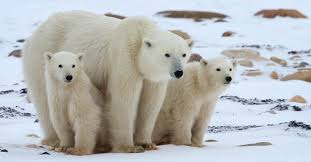


LONDON: A recent DNA analysis has shown that polar bears are a far older species than previously thought a few years ago. But it was found that despite being adaptable and resilient some bear populations will have a very hard time in coming decades due to global warming.
Climate experts reported that the ice sheets in Alaska and Greenland are melting so fast that it threatens the food source and the hunting days of the polar bear.
A recent study also highlighted that polar bears do not have the ability to hibernate and react like all other animals when faced with limited food resources.
Now when experts are clear that polar bears are going to have worst time in coming decade they have also started to look for more options to save the species.
Some scientists in an article mentioned a valuable proposal to start planning for a long-term conservation strategy focused on regions of the Arctic where sea ice is expected to persist even with substantial warming.
But recently a new policy paper in Conservation Letters, proposes a series of steps that could including everything from relocation programs to feeding of starving bears or intentional population reduction.
The relocation and feeding option given by the researchers appears to be overreaching as compared to what has been done for other species.
The paper isn’t a prescription for what should be done but rather what could be done, said experts. This paper lacks in policy and plans about what will happen when there will be a sudden change in a polar bear population.

Karachi Port sets 138-year cargo handling record
KARACHI: Pakistan's maritime sector has achieved a major milestone as Karachi Port set a new record in its 138-year history...