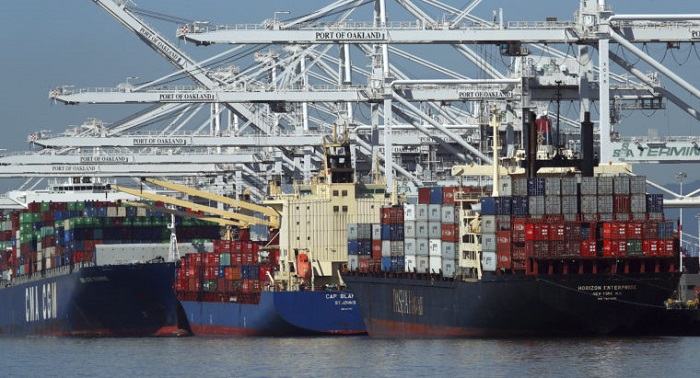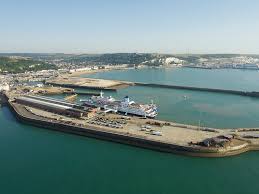
DOVER: Almost a fifth of the goods imported and exported by the U.K. make their way through the port of Dover, so a tough Brexit deal threatens to leave the port hopelessly congested. Around 2.6 million trucks rumbled through the port in 2016, accounting for 17 percent of the U.K.’s trade in goods, worth £119 billion. Trucks take only seconds to clear the port, but if Brexit ends up creating regulatory and tariff barriers between the U.K. and the EU, the result could be a traffic nightmare. “The talks must achieve a frictionless border, and for Dover that means maintaining the rapid transit of goods through the crossings … post-Brexit,” said Tim Waggott, the port’s chief executive. The EU’s top Brexit negotiator recognizes the risk Brexit poses to the port. Michel Barnier warned of “lengthening lorry queues in Dover” in the event of “a no deal situation.”
Dover is fully integrated into a frictionless single market — customs checks were last carried out for U.K.-EU trade in 1992, and the industry will need time to adjust to what could be an extra 300 million declarations a year once outside the bloc, said James Hookham from the Freight Transport Association. “We need to avoid checks at port terminals. They are configured for arrive and drive, not wait and queue,” he said. Port spokesman Richard Christian, speaking from his office in the Victorian-era postcard-perfect townhouse that serves as the harbor headquarters, said custom checks at the port site are a “non-starter.” He instead wants to focus on solutions like digital customs clearance and rationalizing the more than 30 government agencies that currently have the right to stop traffic coming through the port.