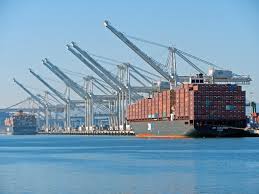
WASHINGTON: Exports are on the rise at the Port of Oakland, one of the nation’s major hubs for outbound goods, thanks to the easing of the dollar and improved relations between dockworkers and port businesses. Oakland dockworkers handled 78,613 loaded outbound 20-foot-equivalent units, a standard measure for container cargo, in April. That was 7.1% ahead of the same month last year, and was the third-strongest monthly performance for exports over the last 12 months. Loaded import container volume declined 3.3% from April of last year to 72,352 TEUs.
West Coast ports had been hoping for an export comeback this year, and as the dollar has started to weaken, making U.S. goods more affordable abroad, outbound container cargo has seen a slim recovery. In the first quarter, the Port of Los Angeles reported an increase of 7.6% in loaded export containers. Oakland, the nation’s eighth-largest container port, was the first major U.S. port to report April cargo volumes.
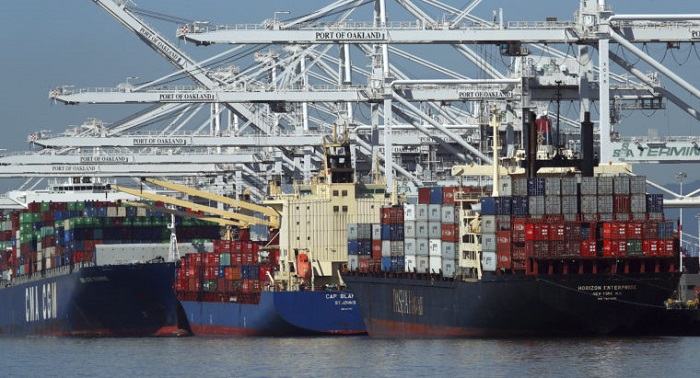

In Oakland, the last U.S. port of call for many container vessels before they head back to Asia, exports are an important part of the port’s business. The dollar’s recent easing on global currency markets “is really good news,” said Chris Lytle, executive director at the Port of Oakland. “That does reflect in higher export numbers, it’s simple,” he said. The dollar has weakened this year as the Federal Reserve pared back its expectations for interest-rate increases, citing sluggish domestic growth and risks from abroad. That, in turn, has made U.S. goods cheaper abroad and Oakland, a key departure point for Midwestern agricultural exports heading to Asia, has benefited.
Export cargo was moving slowly in the winter of 2014-2015 as a labor impasse between dockworkers and managers of cargo terminals deepened. More recently, the state’s long-running drought and the recent departure of one of Oakland’s largest port terminal operators were causes for concern about export volumes in Oakland. Mr. Lytle said labor relations are “good” now, the drought is easing up on agricultural producers and the port is in negotiations with a terminal operator to replace the tenant it lost. “We’re very optimistic about the trend,” he said.