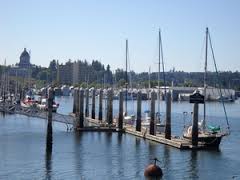
LONDON: Historically, ports have always had a reputation; some as gateways to glamor and adventure, others as gathering places for disreputable characters, and most some combination of both. At the Port of Olympia, Director of Environmental Programs Rachael Jamison is aiming for a different kind of recognition.
“My personal goal is that within the next two to five years, the Port of Olympia is looked to as one of the most sustainable mid-sized ports in the country,” she says. “We do a tremendous amount of work for the environment. I don’t know that the community is aware of everything that is happening here.” At the Port of Olympia, substantial efforts go beyond what regulatory bodies call for in turning formerly toxic lands into viable parks and sustainable development projects, combating climate change, conserving land and seafront, and developing innovative systems to deal with storm water.

Everything starts with compliance, says Jamison, but it doesn’t end there. The port is regulated by multiple agencies, including U.S. Fish & Wildlife, Washington State Fish & Wildlife, the Department of Ecology, the Olympic Region Clean Air Agency, and more. “All of them have their own suites of standards and regulations that we need to remain cognizant of before we do anything on the ground,” she explains. On the remediation front, the port has taken on several major sites with legacy contamination and put them to what’s known as higher and better use. In the East Bay, one highly visible project is the site of the Hands On Children’s Museum, which the port made viable for development through a collaboration with the City of Olympia and LOTT Clean Water Alliance.