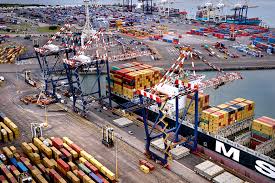
WASHINGTON: The Port of Olympia’s maritime terminal is a unique community asset that contributes significantly to the economic and cultural health of Thurston County. While some, like former Mayor Bob Jacobs (The Olympian, May 9), question its value or, worse, suggest that we voluntarily give up that asset, such short-sighted thinking doesn’t serve the best interests of county residents.
My decades of economic development experience have repeatedly demonstrated the benefits of a working waterfront. Land-locked communities covet a port like ours; they’d be shocked that anyone would even consider willingly surrendering such a competitive advantage and strategic asset.
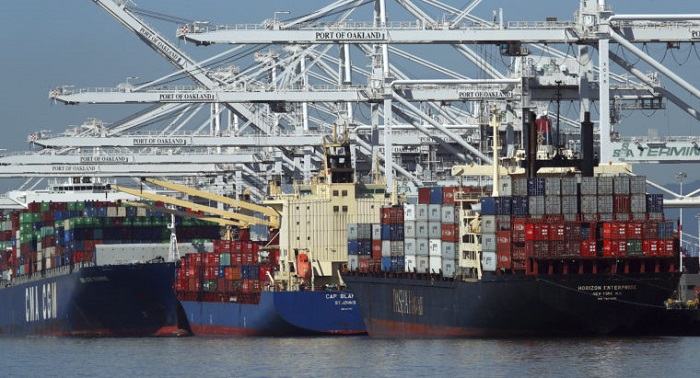

State law gives public ports a mission to stimulate economic development and provide a catalyst for economic activity and job growth. The Port of Olympia is doing that: A recent study found that port operations generate nearly 4,400 local jobs and $287 million in business revenue. Of those totals, the marine terminal drives more than 560 jobs and $33 million in business revenue.
Thurston EDC partners with cities throughout Thurston County to diversify our job base and build a sustainable local economy for our future. We tout a Pacific Rim community with one of only six deep-water ports on Puget Sound and a history of working across international borders. These factors provide a firm foundation for generating family-wage job opportunities in environmentally friendly industries.
The marine terminal also plays a key role in emergency response plans for our region, enables humanitarian relief efforts and, given nearby bases, is an important asset for national security. Threats to close the terminal jeopardize these benefits.
Those opposing the marine terminal ignore these facts. For whatever reason, their opinion is that the port commission should abandon a vital community asset, a move that would cost local families hundreds of highly skilled, family-wage blue collar jobs that contribute to a stronger local economy. Fortunately, our work with employers and community members makes it clear that they have a positive long-term view of the operations and benefits of the port. Maritime terminal activity was down in 2015, but that drop came after a number of years of growth. While changes in the energy market have dramatically impacted cargo volumes in one important sector, recent shipments of agricultural products such as cattle and corn are growing.
Successful organizations don’t make decisions by reacting to one year in isolation. They look at longer trends, adjust their strategies and take aggressive action to create new opportunities. Some years will be better than others. But we can’t afford to let a vocal minority push us into bad decisions that compromise long-term economic opportunities. Port commissioners and staff should continue looking forward, working to diversify the terminal’s business lines with high-value, environmentally appropriate products and creating exciting new job opportunities for local residents. That’s what real leadership is about.