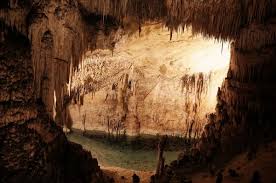


LONDON: Prehistoric climate changes that took place thousands of years ago are apparently hidden inside Indian cave deposits, and may hold clues to better predicting future climate in the region, according to new research.
When we think of the climate, often our thoughts focus on the clouds and atmosphere, but scientists from Vanderbilt University are taking a different approach by looking at the world of stalactites and stalagmites. This team is pioneering a unique method that involves studying mineral cave deposits – collectively known as speleothems – to paint a more accurate picture of the prehistoric climate.
It turns out that the steady dripping of water deep underground can reveal a surprising amount of information about the constantly changing cycles of heat and cold, as well as precipitation and drought in the atmosphere. As water seeps down through the ground it picks up minerals – most commonly calcium carbonate – which leave behind layers of deposits that can later be studied.

Karachi Port sets 138-year cargo handling record
KARACHI: Pakistan's maritime sector has achieved a major milestone as Karachi Port set a new record in its 138-year history...