Customs Today
  • Home
  • Islamabad
  • Karachi
  • Lahore
  • National
  • Transfers and Postings
  • Chambers & Associations
  • Business
No Result
View All Result
Customs Today
  • Home
  • Islamabad
  • Karachi
  • Lahore
  • National
  • Transfers and Postings
  • Chambers & Associations
  • Business
No Result
View All Result
Customs Today
No Result
View All Result
Home Breaking News

Punjab proposes higher sales tax on restaurant payments via cards

byCT Report
17/06/2026
in Breaking News, Lahore, Latest News, Slider News
Share on FacebookShare on Twitter

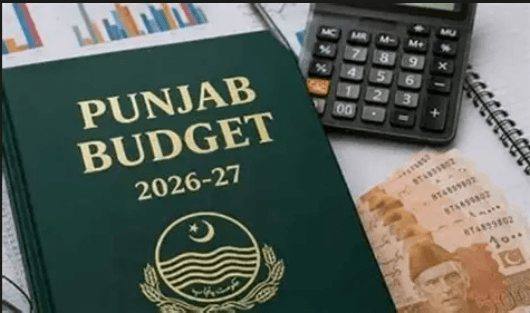
LAHORE: The Punjab government has proposed an increase in sales tax on restaurant payments made through digital channels under the Punjab Finance Bill 2026, while maintaining a higher tax rate for other payment methods.

According to the proposed legislation, payments made via debit cards, credit cards, mobile wallets, and QR codes will be subject to an 8 percent sales tax, compared to the current rate of 5 percent.


You might also like

FBR exempts certain POS-compliant footwear supplies from retail price tax

18/07/2026

Tax backlog hits 68,000 despite 24 private members inducted on monthly salaries of up to Rs2.6m; review panel formed

18/07/2026

Meanwhile, restaurant transactions made through other payment methods, including cash, will continue to attract a 16 percent sales tax, creating a significant difference between documented digital payments and conventional payment channels.

Digital Payment Tax Rate Increased

If approved, the proposal will raise the tax burden on customers using digital payment methods for dine-in, takeaway, and other restaurant services. However, the 8 percent rate will remain substantially lower than the 16 percent sales tax applicable to non-digital transactions.

The existing tax structure offered a reduced 5 percent sales tax rate on payments processed through banking and digital platforms to encourage electronic transactions and improve tax documentation. The Punjab Finance Bill 2026 seeks to revise this concession by increasing the rate to 8 percent.

Government Aims to Boost Revenue Collection

Officials believe the proposed increase could help generate additional revenue for the provincial government while continuing to incentivize the use of traceable payment methods. By maintaining a lower tax rate for digital transactions compared to cash payments, the government aims to promote greater documentation of restaurant sales and strengthen tax compliance within the hospitality sector.

The proposal is part of broader taxation measures introduced in the Punjab Finance Bill 2026 and will take effect after approval by the provincial assembly.


Related Stories

FBR exempts certain POS-compliant footwear supplies from retail price tax

byCT Report
18/07/2026

ISLAMABAD: The Federal Board of Revenue (FBR) has excluded certain supplies made through digitally integrated and point-of-sale-compliant channels from the...

Tax backlog hits 68,000 despite 24 private members inducted on monthly salaries of up to Rs2.6m; review panel formed

byCT Report
18/07/2026

ISLAMABAD: Pakistan’s tax litigation backlog has climbed to around 68,000 cases despite the appointment of 24 private-sector members to the...

Bahrain pulls $30m from Pakistan bonds as Gulf war weighs on foreign investment

byCT Report
18/07/2026

ISLAMABAD: Bahrain withdrew $30 million from Pakistan’s domestic bonds during the first 10 days of FY2026-27 as the Gulf conflict...

Aurangzeb reviews digital overhaul of FBR through Faceless Centre

byCT Report
18/07/2026

ISLAMABAD: Federal Minister for Finance and Revenue, Senator Muhammad Aurangzeb, chaired a meeting to review the implementation roadmap and operational...

Next Post

FCC declares property tax regime 'confiscatory'

  • Terms and Conditions
  • Disclaimer

© 2011 Customs Today -World's first newspaper on customs. Customs Today.

No Result
View All Result
  • Transfers and Postings
  • Latest News
  • Karachi
  • Islamabad
  • Lahore
  • National
  • Chambers & Associations
  • Business
  • About Us

© 2011 Customs Today -World's first newspaper on customs. Customs Today.