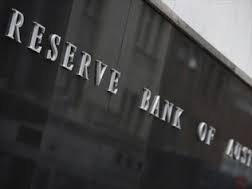
WELLINGTON: The Reserve Bank warns lending controls on banks to reduce the heat in Australia’s property market could just drive buyers elsewhere for their loans.Risky lending into an inflated market has been a consistent worry for the Reserve Bank’s rates strategy, though not enough to deter this month’s rate cut to a record low of 2 per cent.
Last week the rhetoric from regulators went to a new level when the head of the Australian Securities and Investments Commission (ASIC), Greg Medcraft, used the term “bubble” in describing the Sydney and Melbourne markets.


However, today, RBA deputy governor Philip Lowe said recent measures from banking regulator the Australian Prudential Regulation Authority (APRA) were having a “positive, albeit modest, effect”.
“In the past couple of weeks you’ve seen a number of banks say they’re requiring larger deposits for investor loans, they’re offering smaller discounts on interest rates and smaller rebates, they’re requiring higher serviceability levels,” Dr Lowe said at a Thomson Reuters regulatory summit in Sydney.
But he added that the use of lending controls, also called macroprudential tools, can only be pushed so far.
“This is an issue that’s very clearly on our radar screen. How far can you push the tighter regulation of the banking system without causing the same volume of loans to be made but just through a different financial intermediary,” Dr Lowe said.
“In the ’70s and the ’60s we had a lot of the tools that are currently in vogue and we ended up getting rid of them was because what happened was that institutions found out ways of getting around the rules. “Finance is very flexible and people are very good at moving the money from the people who have it to the people who want it.”
He said Australia has not experienced rapid growth in non-bank loans yet, but any tougher regulations would make that far more likely.”Maybe a few more loans are being made through non-bank lenders than through the banking system as a result of the tougher requirements, but it’s very much at the margins,” he said.
“But it’s a margin that we do need to watch very carefully, and history tells us that if you make the incentive too misaligned between the banks and the non-banks then the funding will follow to the non-banks.”RBA ‘carefully watching’ NZ regional lending controls
That caution about overextending lending controls appears to extend to those focussing on specific geographical areas, despite the RBA’s main concerns focussing on Sydney and Melbourne.
Earlier this month the Reserve Bank of New Zealand introduced new lending restrictions specifically for the Auckland housing market. Like Australia’s two largest cities, price growth in New Zealand’s most populous city has far outpaced that in the rest of the country.
From October, Auckland housing investors seeking a bank loan will need a deposit of at least 30 per cent, while loan-to-value ratio restrictions will be eased elsewhere in the country. Dr Lowe said today the RBA is aware of the steps taken in New Zealand, and elsewhere.
“We follow these issues very carefully. Of course New Zealand’s not the only country that’s implemented some type of macroprudential regulation,” he said. “The number of countries that have done that over recent times is very large and so we watch, study the experience of other countries carefully.”