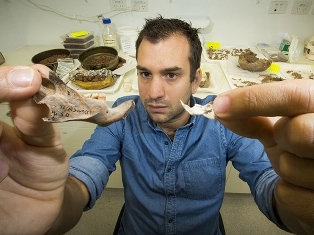
PERTH: Australian researchers scouring archaeological deposits in East Timor have unearthed the remains of what they say is the world’s largest ever rat. And it survived alongside the island’s human inhabitants for 45,000 years — even though it was on the menu.
“As soon as humans got there they started catching and eating these guys,” said Australian National University palaeontologist Julien Louys. “Almost all the remains show some sign of burning. People were catching these rats and sticking them in the fire, then eating them pretty much as is.”


The team has identified at least seven species of the animals, ranging from 1.5kg to 5kg — as big as a small dog or a “very fat cat”, Dr Louys said.
“Just to put that in perspective, a large modern rat would be about half a kilo.”
Scientists believe most of the world’s megafauna — from Australia’s giant wombats and kangaroos to Siberia’s mammoths — died out at least 10,000 years ago from the combined impacts of hunting and climate change. But Timor’s rats managed to hang on until about 1000AD, despite being corralled on an island with hungry humans.
“Up until relatively recently they had large tracts of pristine habitat — primary forest where they could hide out,” Dr Louys said. “It wasn’t until the introduction of things like metal tools, which allowed vast forest clearances, that humans started to have a dramatic impact.”
The story evokes images of rats that can survive almost anything, from plague to nuclear holocaust. But Dr Louys said most rats were rarely seen forest creatures.
“The picture most people have is of sewer rats, but in reality the rat family has many more species,” he said. “Rats as an overall family get a bad rap because of a few bad players.”