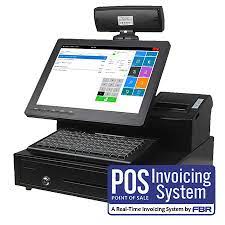
KARACHI: Federal Board of Revenue’s (FBR) Point on Sale (POS) Integration System remains riddled with inefficiencies, which are deterring retailing businesses from voluntarily digitising, denting billions in possible revenues, stakeholders said.
“People want to pay tax,” said Rana Tariq Mehboob, Chairman Chainstores Association of Pakistan (CAP). “But there’s a need to speed up integration. Otherwise, the same 100 to 150 brands would continue to be squeezed.”


Mehboob was speaking at 1st Pakistan Future of Retail Business Summit 2022. The topic was ‘Retail and its Regulatory Landscape in Pakistan
Retail and wholesale trade in Pakistan is estimated at 18 percent of the GDP. The retail trade is figured to be approximately 10 percent of GDP, according to Small & Medium Enterprises Development Authority (SMEDA) data. Out of which approximately 10 percent of the retail sector is fully documented and businesses in this segment are taxed at 20-25 percent in proportion to their gross revenues. While the remaining 90 percent is only partially documented, as per industry assessments.
Mehboob said the registered retailers were losing their competitiveness as they were forced to pay taxes and also ask it from importers and suppliers to balance out the final. “However, all suppliers, either importers or manufacturers, don’t want to share tax and as vendors, they look for buyers, who don’t ask them for tax receipts,” he added.
On the other hand, Shahid Iqbal Baloch, Chief Commissioner Large Taxpayers’ Office, Karachi, said there were more incentives for the Tier-1 retailers, who would opt to integrate as compared to if they did not.
“We (FBR) don’t have the capacity to integrate all retailers at once as the board is initially integrating big businesses that qualify as Tier-1. After completing Tier-1 businesses integration we will target Tier-2 businesses and then Tier-3.”
According to Baloch, they have been integrating businesses from 13 sectors including restaurants and money changers.
Asif Haroon, Partner Tax Services, AF Ferguson & Co, a member of the PwC network, said retailers should not be distinguished and all of them be treated the same way.
“Retailers want to integrate and pay taxes but fear after integration the FBR may ask them for past years’ audit, which they find very difficult to do.”
There should be amnesty for retailers, Haroon said.
But LTO Baloch said the FBR would not be asking anything from retailers, who were getting integrated with the FBR.
However, Mohammad Zeeshan Merchant, President Karachi Tax Bar Association (KTBA) said if nothing came in writing then there would always remain a probability the FBR might demand audit of previous years, may be in a year or two, if not now.
He said there were many inefficiencies in the FBR’s POS Integration system. “If a business has, let’s say 50 POS machines, and it wants to access the data through the FBR system, then it has to access every POS separately as there is no way to access consolidated data.”
Merchant added that registered retailers were finding it hard to get input tax receipts when they procure goods from their suppliers, who were seldom registered. “But the retailer then has to pay output tax, which reduces their margins compared to unregistered retailers,” he said.
Merchant also pointed out the pitfall of double-taxation and asked the FBR to make it clear to retailers whether they were supposed to pay 17 percent general sales tax to federal or 13 percent to provincial government.
There was also no option for retailers to edit their sales data in the POS Integration System of FBR when sales returns were needed to be filed, he said adding that as a result of these issues, small retailers were now ditching debit and credit card machines and returning to the cash economy.