LAHORE: The rice exporters have urged the State Bank of Pakistan to extend the payback period for the export refinance loans to 360 days from the current 180 days.
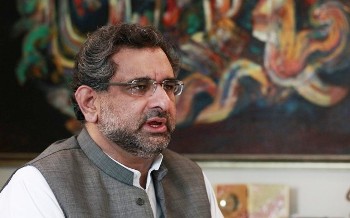
Rice Exporters Association of Pakistan (REAP) Chairman Shafique Chaudhary, addressing a meeting, said that the other reasons for the rice sector crisis include the soaring cost of production because of expensive inputs, lower yielding seeds, unsold stock of the last two years, acute shortage of funds, and the inability of growers, millers and exporters to return their loans.

In order to restore compatibility of Pakistani basmati, Shafique demanded refund of the Withholding Tax paid by the rice exporters in 2013-14 and 2014-15, and reduction in its rate in future to 0.25 percent only.
The chairman also demanded the withdrawal of WHT of 3.5 percent on the local purchase of paddy rice and various strategic interventions that would enable the rice exporters to operate without subsidies.
“It has become uncompetitive, especially in the case of various basmati varieties, and the rice-importing countries have begun turning to India, Thailand and Vietnam,” Shafique added.
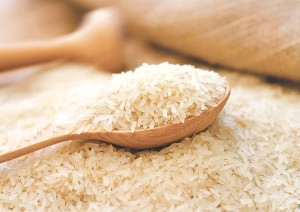
He further said that the demand for Pakistani rice was drying up because of its comparatively higher prices. “In terms of quantity, the country has been producing about 2 million tonnes of basmati rice, half of which is consumed domestically and the rest is exported. But from 2011 onwards, the exports started declining for various reasons,” he elaborated.
He added that one of the reasons for drop in the quality of basmati was that since 1997 no new basmati seed had been introduced in the market.
“The inability of public sector researchers to introduce new high yielding basmati varieties in Pakistan has resulted in a constant decline in its per acre production, enabling the Indians to capture global basmati market with new long grain, high yield varieties,” he added.
“However the more immediate problem faced by the rice industry is the shortage of cash flow. The exporters are not in a position to even purchase paddy from growers,” the chairman said.