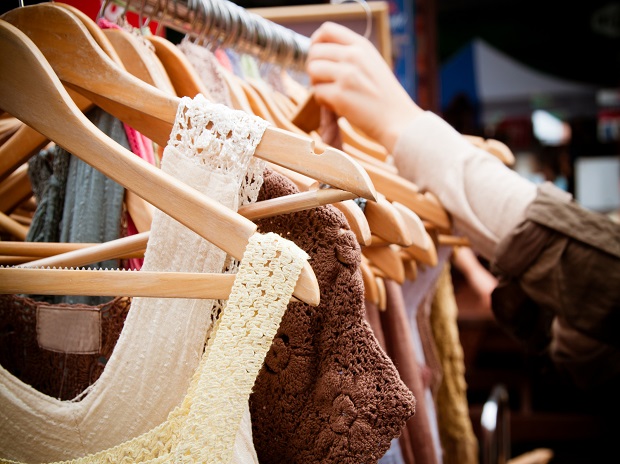
Apparel imports increased nearly 47 per cent to $1 billion in 2018-19 (April 2018-February 2019) even as exports fell five per cent, according to data compiled by the Clothing Manufacturers Association of India (CMAI).
The surge in imports is mainly due to big retailers opting more for low-cost foreign garments.


Imports from Bangladesh, one of the world’s largest apparel exporters, have increased by 96 per cent. Besides, imports from Sri Lanka and Hong Kong have also shown a significant rise of 120 per cent and 171 per cent, respectively.
Apparel makers say the Chinese apparel makers are reducing direct exports, but are making massive investments in countries like Bangladesh, Vietnam, Cambodia, Myanmar and Sri Lanka due to the availability of low-cost manpower.
Moreover, the European Union and the United States have low customs duty rates for exports. This helps them further reduce their costs and increases their competitiveness.
Industry sources say imports from India’s bordering countries are flooding the domestic market and defeating the purpose of Make in India. The source, who did not want to be named, said that the South Asian Free Trade Area (SAFTA) route is generally used to capture Indian market.
Leading retail stores in India setup by foreign brands are sourcing apparel from Bangladesh. This could be detrimental to the Indian garment sector’s growth. Vietnam and Cambodia are the other two major countries that export to India.
Rahul Mehta, president of Clothing Manufacturers Association of India says that while actual imports numbers are not worrying, the increase of imports year-on-year are hurting small and medium busineseses in the apparel manufacturing industry.
After satisfying the 30 per cent compulsory sourcing norm, foreign brands prefer to source the rest from their respective central sourcing avenues to save costs. These avenues are mostly in Bangladesh, which gives them a cost advantage of 10-15 per cent. Major Indian retail brands, too, follow this strategy.
“This trend (high imports) is expected to continue,” said Mehta.
When Puma was negotiating a sourcing deal with Raja M Shanmugham’s Tirupur-based Warsaw International, the leading sports apparel maker made it a point to not breach a certain target price fixed by their German office. The cost difference between importing and sourcing domestically is around 7-10 per cent, which attracts these brands to look at imports.
“We blame India’s liberal policy with neighbouring countries, especially Bangladesh,” said Shanmugham. The news that the government is considering relaxing the policy of complusorily sourcing at least 30 per cent of products locally for single-brand retailers with foreign direct investment will further impact the industry, as the brands might look at the cheaper option of importing.
The increase of imports from Bangladesh is a looming threat and could eventually hit India’s exports too. Moreover, jobs in the sector might take a hit and non-confirmation of orders could have a cascading effect till the cotton farmer stage, thereby affecting the economy significantly, says Shanmugham.