
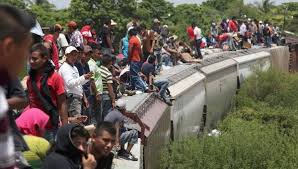
MEXICO CITY: Remittances have surpassed foreign direct investment as the leading source of foreign exchange in Mexico, according to a report published Wednesday by the country’s largest provider of financial services, BBVA Bancomer. This year, Mexico is expected to receive US$22 billion in foreign direct investment and US$25 billion in remittances, BBVA Bancomer’s Chief Economist for Mexico Carlos Serrano estimated. Economist forecasts project that rising remittances will hit levels of US$667 billion by 2017. “It’s neither good nor bad that the country receives more foreign exchange through remittances than foreign direct investment,” Serrano was quoted as saying to Mexico’s La Jornada. “Mexico is important in both senses: it is the fifth country in the world as a remittance receiver and the second destination of foreign direct investment in Latin America.” With nearly 12 million people living out of the country, Mexico is ranked fifth in the world for receiving the greatest amount of remittances and accounts for 4.2 percent of the global total. The country also accounts for more than a third of all remittances received in Latin America, according to the report.
The vast majority of Mexican migrants, 11.5 million, live in the United States. About half are undocumented and about two thirds are employed in the service sector. Remittances from the U.S. dropped with the 2008 financial crisis, but bounced back up to pre-crisis levels in the first quarter of this year, Banco Mexico reported last month. Rural Mexican households are the primary recipients of remittances, according to the report. In 2013, almost three quarters of remittance receiving households used at least part of the income to pay debts and to cover basic costs of living such as food and housing.


According to the report, between 2000 and 2007, the rate of Mexican migration to the U.S. increased by 500,000 migrants per year, but between 2007 and 2014 the pattern reversed, decreasing by 500,000 Mexican migrants per year. High rates of crime and violence, unemployment and poverty, climate challenges such as water shortages and natural disasters, and the hope of a better life abroad are key drivers of migration.



