Customs Today
  • Home
  • Islamabad
  • Karachi
  • Lahore
  • National
  • Transfers and Postings
  • Chambers & Associations
  • Business
No Result
View All Result
Customs Today
  • Home
  • Islamabad
  • Karachi
  • Lahore
  • National
  • Transfers and Postings
  • Chambers & Associations
  • Business
No Result
View All Result
Customs Today
No Result
View All Result
Home Business

Rs222b circular debt, lack of coordination among govt dept behind petrol crisis

byCustoms Today Report
26/01/2015
in Business
Share on FacebookShare on Twitter

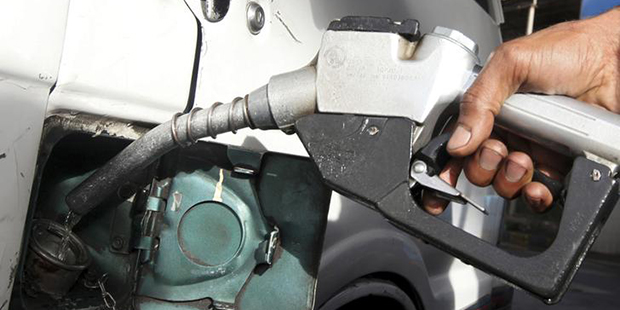
LAHORE: The Institute for Policy Reforms has reported that the petrol crisis happened due to lack of coordination among a lot of ministries, departments and agencies performing different functions within the sector.

As per the report, Pakistan State Oil (PSO), the major importer of petroleum products, imports 66% of petrol while other oil marketing companies (OMCs) import 34% oil. It said that the PSO had serious financial problems because of non-payment for purchases of furnace oil largely by the power distribution companies (DISCOs) including GENCOs, HUBCO and KEPCO. The PSO’s circular debt risen to Rs222 billion by September 2014 and in December, a number of L/Cs of PSO had been dishonoured, the report said, adding that this had greatly restricted PSO’s ability to import all petroleum products.


You might also like

Govt to build 500MW floating solar project at Keenjhar Lake

08/05/2026

Electricity consumers likely to receive Rs63.94bn relief

07/05/2026

Moreover, there had been some depletion in inventories of petrol with OMCs. These companies had carried inventories below the level of three weeks in order to minimise potential inventory losses of up to Rs7 billion at a time of falling prices, the report said.

The decline in supply of petrol had occurred at a time of a big increase in demand due to a number of factors. By the beginning of January, with the cumulative fall in price of 28%, demand increased in the range of 6% to 8%. Also the government announced the closure of CNG stations from mid-November for four months in Punjab.

This led to diversion of demand towards petrol. A first estimate was that the consequential increase in demand nationally for petrol was over 10%. Overall, the combined effect on demand of the fall in price and reduction in supply of CNG was 16%, the report claimed.

Therefore, with declining supply in the presence of a big increase in demand, it was inevitable that, sooner or later, a shortage would take place.


Related Stories

Govt to build 500MW floating solar project at Keenjhar Lake

byCT Report
08/05/2026

KARACHI: The government has planned a 500-megawatt floating solar power project at Keenjhar Lake in Sindh with an estimated cost...

Electricity consumers likely to receive Rs63.94bn relief

byCT Report
07/05/2026

ISLAMABAD: Electricity consumers across the country, including those served by K-Electric, may receive relief of up to Rs63.94 billion under...

Govt introduces public-driven model for area development projects

byCT Report
06/05/2026

ISLAMABAD: Now citizens have been given the right to suggest development schemes for their areas. As per new guidelines issued...

Punjab revises property valuation rates to attract UAE & Gulf investors

byCT Report
05/05/2026

LAHORE: The Punjab government has started revising property valuation rates across multiple districts in an effort to attract foreign investment,...

Next Post

Jelly fish able to sensing ocean currents

  • Terms and Conditions
  • Disclaimer

© 2011 Customs Today -World's first newspaper on customs. Customs Today.

No Result
View All Result
  • Transfers and Postings
  • Latest News
  • Karachi
  • Islamabad
  • Lahore
  • National
  • Chambers & Associations
  • Business
  • About Us

© 2011 Customs Today -World's first newspaper on customs. Customs Today.