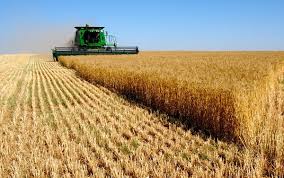
MOSCOW: When the EU and US imposed sanctions on parts of Russia’s economy following military intervention in Ukraine 2014, some local officials portrayed the blockade as an opportunity. Together with a falling rouble, they said, it would boost development of domestic business by encouraging import substitution and making exports more competitive. Many western analysts and investors were cynical. But in at least one area of the economy — agriculture and associated sectors — the optimism has been vindicated. Russia last year became the world’s biggest exporter of grains, at more than 34m tonnes. Total Russian grain production hit a record 119m tonnes. The turnround is striking since as recently as 15 years ago — and for a couple of decades before during the Soviet era — Russia was a net importer. The success goes beyond grain. Russia has fully substituted imports with domestic production of pork and chicken. It has become a top producer of sugar beet; greenhouse vegetable production last year was up 30 per cent on the year before.
While agriculture remains far below oil and gas, the sector has overtaken arms sales to become Russia’s second-biggest exporter. In reality, western sanctions had little to do with this. The weaker rouble that helped boost exports and make imports more expensive was a function, above all, of falling oil prices. The sanctions that helped boost import substitution were imposed by Russia — a supposedly “retaliatory” ban on many western foodstuffs. That ban arguably hit Russian consumers harder, by depriving them of favourite imported foods such as French cheese and fuelling inflation, than it did many of the exporting countries. Some analysts suggested president Vladimir Putin was using the sanctions as cover to advance a strategic objective he had already set: making Russia increasingly self-sufficient in food.


The Russian government also increased subsidies to farmers. The sector has benefited, too, from a move in the past decade to allow private land sales — although land prices, by world standards, remain low. All these developments are at last helping Russia take advantage of some natural attributes. The highly fertile “black earth” region in central and southern Russia is close to Black Sea export terminals well placed to supply big north African and Middle Eastern wheat importers such as Turkey and Egypt. Andrey Guriev, chief executive of PhosAgro, the London-listed phosphate fertiliser producer, says the rouble devaluation created a “fantastic pricing environment for anything agriculture can produce”. Add in falling fertiliser and fuel prices, and “in one day, the Russian agricultural sector became as profitable as hell”.