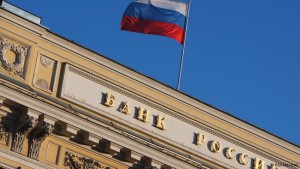
MOSCOW: Russia will resume buying dollars next week for the first time since a brief burst in 2015, but sources told Reuters the purchases will go ahead only after a reluctant central bank won assurances it could distance itself from the operations. People involved in discussions of the planned purchases said the bank had feared investors would regard them as currency interventions designed to weaken the rouble, rather than the stated intention of replenishing Russia’s fiscal reserves depleted by low oil prices and international sanctions. The central bank, which has a policy of letting the rouble float freely, insists it is not intervening in the foreign exchange market to influence the currency’s rate. Instead, it said last month that it would merely buy the dollars on behalf of the finance ministry, which came up with the plan following a modest uptick in oil prices over the past year. Nevertheless, the purchases may still create a dilemma for the central bank by putting downward pressure on the rouble after a period of relative calm. Already, the currency suffered its biggest one-day drop so far this year on Jan. 26, when the operations were announced. The rouble was one of the best-performing currencies globally in 2016. However, the government would stand to benefit from a weaker currency as it means oil revenues earned in dollars would translate into more roubles, allowing it to boost spending. That would be especially helpful in the run-up to elections next year, when President Vladimir Putin is likely to seek a new term.
Describing discussions before the announcement between the bank, finance ministry and Kremlin, three sources said the central bank had had misgivings that buying dollars would hurt its reputation on financial markets. Governor Elvira Nabiullina had worried she would have to justify the new round of interventions, one former government official familiar with the matter told Reuters. “But the finance ministry offered a life line by taking responsibility. Now she won’t have to answer uneasy questions,” said the source. “She will say it was the finance ministry’s decision, it’s their money, and we are just acting as an operator.” Many investors credit the bank with steering Russia through an economic crisis since 2014, and view it as a bastion of sober policy-making in an otherwise hard-to-predict Russian system. The bank declined comment to Reuters, citing the “week of silence” during which it does not comment before a monetary policy decision due on Friday. A spokeswoman for Prime Minister Dmitry Medvedev said the government has no “levers of pressure” on the central bank, while Kremlin spokesman Dmitry Peskov said Putin gave no orders to the bank to start dollar buying.