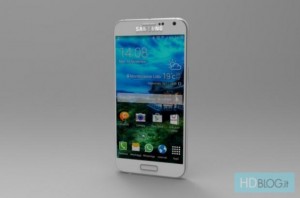
SEOUL: A great camera is vital to the success of any smartphone, and in a recent official blog post rather boldly entitled, “The Future of Cameras is in a Samsung Galaxy Smartphone”, Samsung Vice President and Head of Camera R&D Group at IT & Mobile Communications, DongHoon Jang, described the various camera improvements Samsung has made over the last fifteen years and hinted at some major improvements in store from the next Galaxy flagship.
Samsung is of course battling against Apple AAPL +1.25%’s phenomenally successful iPhone camera, yet while Apple is rumoured to be sticking with a rather conservative 8 megapixel rear camera, Samsung is hinting at major hardware and software advances extending beyond the 16 megapixel sensors currently found in its high-end handsets.
You might also like


He begins by detailing how the Samsung Galaxy’s pixel count has increased over the years from the 5 megapixels of the Galaxy S to the 16 megapixel Galaxy S5, which “brought us one step further to finally eliminating the gap between digital cameras and our smartphone cameras for good”, according to Jang.
Of the soon-to-be-released Galaxy S6 2015 flagship model, Jang states that, “It will be intelligent and do all the thinking for users, allowing them to take amazing pictures under any conditions, without having to worry about anything more than just pressing the shutter button.”
Taken at face value, these statements amount to little more than a trend towards higher resolution sensors coupled with a top-notch auto mode for beginners, but it’s clear that Samsung is taking the smartphone camera, and its battle with Apple, very seriously.
A possible 20 megapixel sensor for the Galaxy S6
Jang’s figures notably omit the Galaxy S6, but if the megapixels continue to multiply, as has been strongly rumoured by the generally reliable SamMobile, this could be a big differentiator for Samsung when competing against a likely 8MP sensor from the next iPhone.
Smartphone pictures don’t look like camera photos.
Jang’s mission to eliminate the gap between the cameras in Samsung phones and dedicated digital cameras is compelling, but don’t throw away your camera just yet: While the post details how Samsung is overcoming the quality issues inherent with smaller sensors, such as imaging noise, the tiny physical size of a smartphone’s sensor means that images taken with a phone will never look quite the same as those taken with a DSLR, regardless of how good phone camera image quality may become.
That doesn’t mean that DSLR pictures are always automatically better, but the larger size of the imaging sensors combined with the different perspective you get from the lenses, means they produce photos with a very different look and always will do.
The only way to narrow this particular gap is to increase the size of the sensor and lens on the smartphone camera – and phones just don’t have room for anything big. The closest phone camera currently available being this rather amazing example.
Neither is Samsung leading the pack when it comes to sheer megapixels: Microsoft MSFT +1.77%’s Lumia 1020 boasted 38 effective megapixels from a 41 megapixel sensor back in 2013 and was widely hailed as one of the highest quality smartphone cameras ever made, although Windows Phone has yet to gain anything like the market share required to trouble the high-end devices from Apple or key Android players.
Samsung’s smartphone cameras are already excellent, as Forbes contributor Gordon Kelly agrees, delivering some of the best quality images available from a phone. Where improvement is needed is not in the imaging sensor or the number of megapixels, but in the digital processing of those images – something which Apple does extremely well using just an 8 megapixel camera.
In the end none of the specs mentioned by Jang, alone or combined, can guarantee a great phone camera. Eight high-quality megapixels will always trump 20 megapixels of rubbish, and although we expect any 20 megapixel sensor from Samsung nothing less than excellent, it’s the user experience and the huge amount of image processing which takes place with each click which will have a greater effect on the final image than anything else. This is exactly the message we should be taking from Jang’s post.