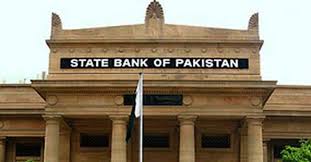
KARACHI: Lending to private sector contracted by 36.5 percent during the first nine months of the current fiscal year of 2014/15, despite the central bank’s efforts to get credit flowing through thrice cut in policy rates, data showed on Tuesday.
Analyst said banks’ hefty invested into the government papers and low borrowing costs have made little success in investment and spending by the businesses and consumers.
You might also like


The flow of loans to different firms fell to Rs178.9 billion between July 1, 2014 and April 3, 2015 against Rs281.9 billion during the same period of last fiscal year, the central bank said.
Analysts said that bank heavy investment in the government treasury reduced the supply of lendable funds for the private sector despite falling borrowing costs.
Since the start of 2014, banks have been actively placing funds in long-term Pakistan Investment Bonds, which carry much higher returns than the weighted average lending rate banks get from the industrial sector.
And the central bank also continued to pump liquidity into the banking system to meet the shortage in the market because of banks’ higher investment in the government papers.
The State Bank of Pakistan injected a record high Rs842 billion into the banking system on March 20, through the opening market operations.
Tuesday’s data on monetary aggregates depicted that the government borrowing from commercial banks reached at high level of Rs1.230 trillion from a same period a year ago.
The government’s rising demand for bank borrowing has pushed out the private sector from banking.
According to report from a brokerage house, investment to deposit ratio (IDR) of banks increased to 61.2pc in 2014 as compared to 54.1pc in the preceding year. Investment in government securities touched new peak as such a high IDR level has never been achieved previously.
Though yields on the government papers are falling (7pc on T-bills and 8-9pc on PIBs), an anticipation of further cut in discount rate pushes banks to lock-in funds in PIBs on high returns.
Since November 2014, the cumulative discount rate has been reduced by 200 basis points following low inflation and positive outlook on external sector.
The government is not firmly agreed with the analysts’ view that banks are not interested in extending private sector loans and parking their whole money into the government papers.
The government in its latest letter of intent to the IMF said, “Private sector credit continued its healthy expansion (10.2 percent so far in FY15) driven mainly by businesses, and in particular manufacturing.”
Some analysts foresee bank lending to start expanding in coming quarters. Within different financing segments, a moderate pickup is expected in consumer loans.
The State Bank, with the help of World Bank experts, has developed a comprehensive National Financial Inclusion Strategy (NFIS) to implement financial sector reforms to meet their financing needs. The central bank is likely to launch the NFIS by end-April 2015.
In order to improve the credit information system to help banks extend credit to broader sections of society, the Credit Bureau Act was submitted to parliament in February 2014 and the government expects it to be enacted by November 2015 to ensure that credit information sharing will protect the privacy rights of individuals.
Private investment and growth are hampered by impediments in the legal framework for creditors’ rights and contract enforcement, barriers to new business start-ups, complex legal, taxation and border trade requirements, and impaired access to finance.