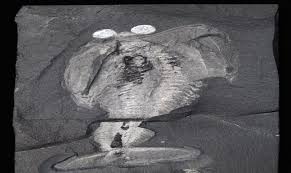


FRANCE: Recently, scientists have been examining some of the oldest known fossil brains to be discovered, and this has given them a better idea of how primitive animals developed heads, IFLScience reports. These prehistoric brains belonged to early ancestors of our modern-day arthropods, an amazing group that includes insects, spiders, and crustaceans.
Their findings, published this week in Current Biology, uncover a key moment in the change-over from soft-bodied worm-like arthropod ancestors to those with hard exteriors like the creatures we are more familiar with today.
During a wondrous period known as the Cambrian Explosion, all sorts of evolutionary innovation was occurring. This is when most major animal groups began showing up in the fossil record, and this includes arthropods with hard exoskeletons and jointed limbs. It was definitely a good time to be an arthropod. Prior to this, most animals were soft-bodied, like worms and jellyfish are, and their heads weren’t well defined.
To begin with, the researchers focused on an oval structure known as the anterior sclerite, which is found in the heads of prehistoric arthropods, LiveScience reports. It’s a structure that has baffled scientists for some time, largely because some prehistoric arthropods have it, but others don’t, and depending upon the quality of the fossil, its location in the head changes.

Karachi Port sets 138-year cargo handling record
KARACHI: Pakistan's maritime sector has achieved a major milestone as Karachi Port set a new record in its 138-year history...