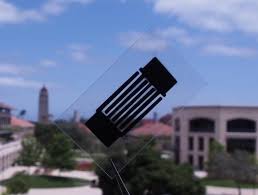


HONG KONG: A team of scientists at Stanford University has figured out a way to use nanotechnology to develop a designer version of carbon.
This new version of carbon is not just versatile, but also “tunable,” allowing scientists to change its pore size for whatever usage is required of the carbon.
The implications of this new carbon are great, because it could change the way batteries and supercapacitors store energy. This means more efficient batteries that store energy longer. However, this carbon could also find other common uses, such as in water filters and even air deodorizers.
Currently, scientists generally make activated carbon from coconut shells. They burn the shells at high temperatures and then treat it with chemicals. This creates tiny pores in the carbon, where chemical reactions happen and where the carbon stores energy.
This method is inexpensive, but has drawbacks. The pores can’t carry electricity. The coconut shells also contain impurities that get into the carbon, affecting how efficient it is. In other words, it’s a cheap method that doesn’t really work all that well.

Karachi Port sets 138-year cargo handling record
KARACHI: Pakistan's maritime sector has achieved a major milestone as Karachi Port set a new record in its 138-year history...