
Customs Today
  • Home
  • Islamabad
  • Karachi
  • Lahore
  • National
  • Transfers and Postings
  • Chambers & Associations
  • Business
No Result
View All Result
Customs Today
  • Home
  • Islamabad
  • Karachi
  • Lahore
  • National
  • Transfers and Postings
  • Chambers & Associations
  • Business
No Result
View All Result
Customs Today
No Result
View All Result

Scientists identified almost 1,500 new creatures in world’s oceans last year

bySana Anwar
18/03/2015
in Uncategorized
Share on FacebookShare on Twitter

You might also like

Pakistan faces mango export challenges amid Afghanistan border closure, Gulf tensions

13/05/2026

Qatari LNG tanker heads via Strait of Hormuz to Pakistan, shows data

13/05/2026

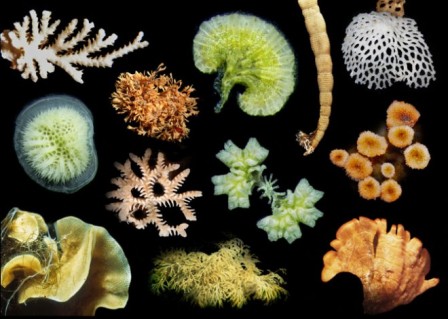
WASHINGTON: Scientists identified almost 1,500 new creatures in the world’s oceans last year, including a humpbacked dolphin and a giant jellyfish, and reckon that most species of marine life are yet to be found.
The experts publishing their findings recently listed a total of 228,450 marine species worldwide, ranging from seaweeds to blue whales, and estimated that between 500,000 and 2 million more multi-celled marine organisms were still unknown.
“The deep sea has been poorly explored so far,” Jan Mees, co-chair of the World Register of Marine Species (WoRMS), told Reuters.
Many species were likely to go extinct – due to pollution, climate change and acidification – before they were even found, he said.
For 2014, the project identified 1,451 new marine species – about four a day – including the Australian humpback dolphin, 139 sponges, a South African “star-gazing shrimp” and a giant, venomous, tentacle-free box jellyfish about 50 cm (20 inches) long found off Australia.
Since the WoRMS project began in 2008, it has also listed about 1,000 new types of fish – including a combined total of 122 sharks and rays, and a new barracuda in the Mediterranean sea. There are now about 18,000 known species of fish.
Marine life can have big economic value – sponges and molluscs are among species that have yielded cancer-fighting agents.
Mees, director of the Flanders Marine Institute in Belgium where WoRMS is based, said marine prospecting for “blue biotechnology” around volcanic vents on the seabed could also help develop materials resistant to heat and toxins.
Related Stories

Pakistan faces mango export challenges amid Afghanistan border closure, Gulf tensions

byCT Report
13/05/2026

ISLAMABAD: Pakistan mango export sector is facing mounting challenges due to geopolitical tensions in Afghanistan and the Middle East, threatening...

Qatari LNG tanker heads via Strait of Hormuz to Pakistan, shows data

byCT Report
13/05/2026

KARACHI: A second Qatari liquefied natural gas tanker is transiting the Strait of Hormuz days after the first such cargo...

RCCI inks MoU with China’s IBI Group to promote industrial cooperation

byCT Report
13/05/2026

RAWALPINDI: The Rawalpindi Chamber of Commerce & Industry (RCCI) signed a Memorandum of Understanding (MoU) with China’s IBI Group during...

Pakistan weighs fertiliser imports from Central Asia amid fears of supply disruptions

byCT Report
13/05/2026

ISLAMABAD: Prime Minister Shehbaz Sharif directed the authorities to ensure timely provision of fertiliser to farmers at all costs and...

Next Post

 ‘China to continue careful monetary policy’

  • Terms and Conditions
  • Disclaimer

© 2011 Customs Today -World's first newspaper on customs. Customs Today.

No Result
View All Result
  • Transfers and Postings
  • Latest News
  • Karachi
  • Islamabad
  • Lahore
  • National
  • Chambers & Associations
  • Business
  • About Us

© 2011 Customs Today -World's first newspaper on customs. Customs Today.