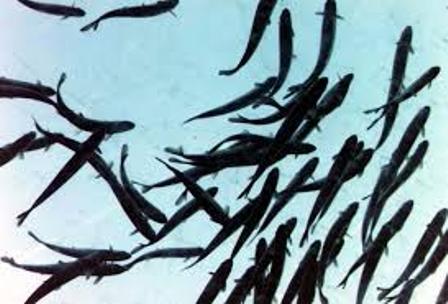


LONDON: Scientists are using a detailed study of marine animals that died out over the past 23 million years to identify which animals and ocean ecosystems may be most at risk of extinction today.
Researchers say worldwide patterns of extinction have remained remarkably similar, with the same groups of animals showing similar rates of extinction throughout and with a consistent set of characteristics associated with elevated extinction risk.
Scientists then used past global extinction patterns as a baseline to predict which ocean areas and marine organisms would be most at risk today without the added threat of human-caused habitat destruction, overfishing, pollution, and ocean acidification.
Finally, they combined this natural or ‘intrinsic’ extinction risk with current threats from humans and climate change to obtain a global map of potential future hotspots of extinction risk.

Karachi Port sets 138-year cargo handling record
KARACHI: Pakistan's maritime sector has achieved a major milestone as Karachi Port set a new record in its 138-year history...