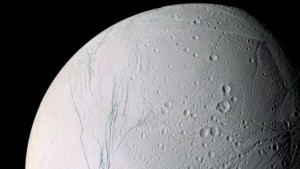


JERUSALEM: The nagging problems at the heart of the leading theory of how the moon formed and what is it made up of, seems to have been explained away.
A new study has provided a deeper insight into how a violent collision between the Earth and Mars-sized planet, Theia, created Moon.
Within the first 150 million years after our solar system formed, a giant body roughly the size of Mars struck and merged with Earth, blasting a huge cloud of rock and debris into space. This cloud would eventually coalesce and form the moon.
For almost 30 years, planetary scientists have been quite happy with this explanation-with one major exception. Although this scenario makes sense when you look at the size of the moon and the physics of its orbit around Earth, things start to break down a little when you compare their isotopic compositions, the geological equivalent of a DNA “fingerprint.” Specifically, Earth and the moon are too much alike.

Karachi Port sets 138-year cargo handling record
KARACHI: Pakistan's maritime sector has achieved a major milestone as Karachi Port set a new record in its 138-year history...