ISLAMABAD: The Federal Board of Revenue (FBR) has put forth a series of new tax measures in the Finance Bill 2025-26, aiming to broaden the tax net by including previously exempt sectors and emerging digital businesses.
Among the key proposals are new taxes on the income generated by online academies and teachers, as well as e-commerce businesses operating through various online marketplaces. The bill also seeks to bring recreational clubs, such as the Islamabad Club, under the tax ambit, ending their long-standing exemptions.


During a meeting on Wednesday, the Senate Standing Committee on Finance and Revenue, chaired by Senator Saleem Mandviwalla, extensively discussed these new tax provisions. The committee received a briefing on proposed tax reductions for salaried individuals across different income slabs.
Proposed Tax Changes for Individuals and Online Entities
According to the FBR’s proposals, the tax rate for individuals earning between Rs600,000 and Rs1.2 million annually has been reduced from 5% to 2.5%. Those with an annual income of Rs1.2 million will now pay a fixed tax of Rs12,500. Additionally, the surcharge on income exceeding Rs10 million has been lowered from 10% to 9%. Despite these adjustments, the committee recommended further relief, proposing to exempt individuals earning Rs100,000 per month (Rs1.2 million annually) entirely from taxation.
The FBR outlined its plan to specifically tax online academies and teachers providing digital education services. This new provision, under clause 17C, targets academies with annual earnings between Rs20 million and Rs30 million. E-commerce businesses utilizing online platforms are also slated for new tax obligations.
Debate on Recreational Club Taxation and Small Business Relief
he committee actively debated the proposed tax on recreational clubs, including the prominent Islamabad Club. The FBR’s rationale, supported by Finance Minister Muhammad Aurangzeb, is to broaden the country’s tax net by ensuring such clubs pay taxes on income exceeding their expenditures. However, the committee opposed the tax on Islamabad Club’s income and reiterated its recommendation for a tax exemption for those with annual incomes under Rs1.2 million. Significantly, the proposal for taxing small online businesses was also rejected by the committee, signalling a protective stance towards nascent digital ventures.
Further discussions included the newly introduced tax on goods versus services in e-commerce, with the committee suggesting the FBR focus primarily on taxing goods. Concerns were also raised regarding proposed restrictions on purchases from non-registered suppliers, with members expressing fears that such measures could stifle market competition.
Mortgage Facility and Wealth-Based Purchase Limits
In other important discussions, the committee considered a newly introduced mortgage facility, which will provide tax credits for houses up to 2,000 square feet, a move aimed at promoting housing accessibility. However, the committee expressed significant concerns over a clause that restricts the purchase of goods to 130% of a person’s wealth from the previous year. Members recommended a substantial increase in this limit to 400%, advocating for greater flexibility in transactions related to declared wealth.
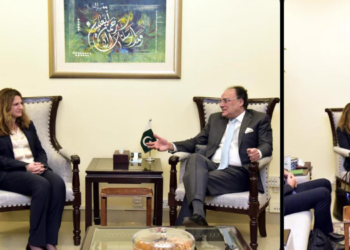
The meeting was attended by key officials including Senators Syed Shibli Faraz, Mohsin Aziz, Fesal Vawda, Anusha Rahman, and Federal Minister for Finance Muhammad Aurangzeb, alongside senior officials from the FBR. These deliberations underscore the ongoing push and pull between the government’s revenue generation goals and parliamentary efforts to provide relief and ensure equitable taxation.