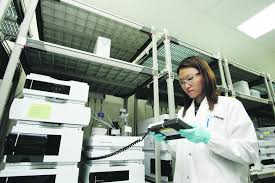
SINGAPORE: Singapore’s pharmaceutical business, among the pillars of the city-state’s manufacturing sector, is set to return to strength this year as big global drugmakers ramp up output and advance automation at their production sites across the country.
A recovery from a dismal 2017, which marked the sector’s worst contraction in two decades, would underpin Singapore’s economic growth.

The pharmaceutical sector is the No. 2 contributor to the country’s manufacturing output and accounts for 3 per cent of its gross domestic product.
Sanofi, which in Singapore mainly produces ingredients for blood-thinning drugs shipped globally, told Reuters it expects production “to be relatively stable to slightly increasing in coming years” as it invests to upgrade capacity.
A quarterly EDB survey of the manufacturing sector shows the pharmaceutical industry is the most optimistic about production over January-March, with a net weighted balance of 56 per cent of firms expecting output to rise from the preceding three months.
Ms Ho and the survey did not provide a specific forecast.
Data shows pharmaceutical production fell in January, albeit at a milder pace, and rose 15.2 per cent from a year ago in February, bringing gains so far this year to about 7 per cent. Output shrank 15.6 per cent last year, the largest annual contraction since at least 1993.
Singapore’s pharmaceutical output has risen more than threefold since the start of this century, with the sector generating $17 billion worth of products last year.
The outlook for recovery, however, is not free of headwinds. Pharmaceutical output is inherently volatile as production happens in batches, which can take anywhere from a few days to weeks to make.
But due to advancements in technology, industry players are hoping to achieve more consistent production levels.