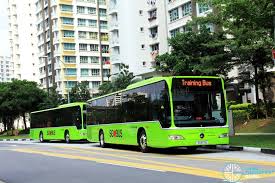
SINGAPORE: With the S$1.1 billion Bus Services Enhancement Programme (BSEP) in its fifth and final year, the Government will plough another S$3.5 billion to S$4 billion over the next five years into subsidising bus services amid the transition to the new bus contracting model.
These investments — which were first mentioned by Transport Minister Khaw Boon Wan in a written parliamentary reply last month — are expected to translate into higher service levels for commuters including higher frequency of buses, said the Land Transport Authority (LTA) and public transport operators SMRT and SBS Transit in a joint statement on Friday (Oct 14).


Under the new model, which came into effect at the start of last month, the Government owns the bus operating assets and private operators compete for contracts to run routes. The additional investment comes on the back of the BSEP, which was announced in Budget 2012. Over the last four years, the BSEP has added 820 buses and 65 new bus services, including 20 City Direct Services. It has also improved 174 bus services, the joint statement said.
Transport analysts TODAY spoke to concurred that the programme — which initially drew criticism that the Government was providing too much support for private companies — had improved bus services but they questioned whether the continued practice of providing substantial subsidies for the bus industry was sustainable.
Describing it as a slippery slope, SIM University senior lecturer Park Byung Joon cited the example of Seoul where subsidies for public transport from the government have increased several fold, resulting in the cost of providing the services outstripping the fare revenue. In the end, taxpayers bear the brunt.