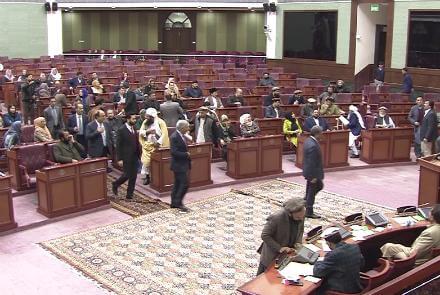
KABUL: The National Unity Government came under pressure owing to an extended impasse between the Presidential Palace and the Jamiat-e-Islami political party over the removal of a governor. The prolonged dispute dominated the political stage and threatened to undermine national unity. Negotiations between the two parties revived debate about the electoral system, as Jamiat-e Islami, joined by other political parties, sought to introduce changes prior to the next elections. Nevertheless, preparations for holding the 2018 parliamentary and district council elections under the current system continued, bolstered by the selection by the Independent Election Commission of a new administrative board.
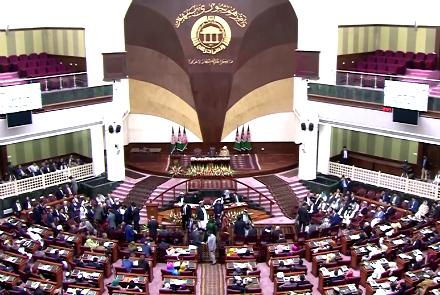
The executive and legislative branches developed a more constructive working relationship, as the National Assembly, the parliament of Afghanistan, passed the national budget for 2018 and approved 11 of 12 nominees for ministerial positions. The Government also took further steps to implement its anti-corruption strategy, and public revenue collection continued to increase thanks to improved administration services and enforcement. Private sector growth, however, was constrained by continuing security volatility, regulatory uncertainty and corruption.

The security situation remained highly unstable, as anti-government elements conducted a series of high-profile attacks in urban centres, dampening public morale and threatening to undermine confidence in the Government. Those incidents also heightened tensions between Afghanistan and Pakistan, as Afghan officials accused Pakistan of allowing “terrorist safe-havens” on Afghan territory. Civilian casualties remained very high throughout 2017, with children accounting for almost a third of the casualties, and with protracted fighting leading to thousands of new displacements. Lastly, there was little progress towards peace negotiations between the Government and the Taliban.