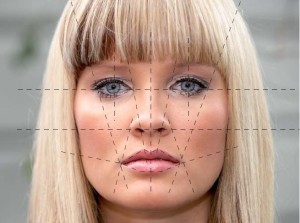
LONDON: Smartphones with modern technology can track our movements, credit cards have a record of our purchases and now, thanks to advances in facial recognition technology, companies and governments have the potential to watch us wherever we go.
Facial recognition technology has become far more sophisticated in recent years. Software now exists that can scan people’s faces – even from a distance or an obscure angle – and “recognise” that person by matching their facial features with an image from a database of photos.


Who uses facial recognition technology?
Governments have started to compile extensive databases of images. The police in the UK have 18 million recorded mugshots and the FBI’s Next Generation Identification system is expected to have a database of 51 million photos by the end of this year.
But private companies are also able to recognise customers’ faces. For example, Facebook’s facial recognition technology means that users can be automatically tagged in uploaded photos.
The program is being enhanced to recognise people even when their faces are turned away from the camera, by identifying them from their clothing and posture.
How is it being used?
Last week, US government agency talks intended to create a code of conduct for the technology fell apart. Privacy campaigners walked out, claiming companies and government agencies were unwilling to accept they must always seek permission before using facial recognition technology to identify someone.
Alvaro Bedoya, from Georgetown University Law Centre in Washington DC, told New Scientist “not a single company would support [the principle]”.
Uses of the technology are becoming increasingly Orwellian. A US company called Face First offers retailers the ability to “build a database of good customers, recognise them when they come through the door, and make them feel more welcome” – in other words, schmooze the big spenders. The product also sends alerts whenever “known litigious individuals enter any of your locations”. Another company, Churchix, uses facial recognition technology to track church attendance.
Should we be excited or worried?
Facial recognition technology has the potential to make security measures, such as border control and law enforcement, far faster and more sophisticated. And companies can use the system to create personalized services, such as alerting customers to offers on products they regularly purchase when they enter a store, which some people may appreciate.
But Alessandro Acquisti, professor of information technology and public policy at Carnegie Mellon University, argues this is also a threat to privacy. “Facial recognition makes it possible for third parties to identify people in the ‘offline’ world without their awareness, knowledge, and consent.”
Dr Anne-Marie Oostveen, from Oxford University’s Oxford Internet Institute, says focus groups show that people are uncomfortable about facial recognition technology being used without their knowledge.
Even in situations such as border control, people would much rather interact with a fingerprint scanner than have their face scanned from a distance. And once facial recognition becomes normal in one context, it’s far easier for companies to use it elsewhere.
“People are right to be worried,” says Dr Oostveen. Once your face is on the system, there’s little you can do. “If you have pin codes you can make new ones, but your face is yours. And you don’t know what the information is going to be used for.”
Can our images be sold? Dr Oostveen says the most serious concern comes from images being sold on to third parties who can match them with other data, such as health records – which could build a disconcertingly detailed picture of consumers.