Customs Today
  • Home
  • Islamabad
  • Karachi
  • Lahore
  • National
  • Transfers and Postings
  • Chambers & Associations
  • Business
No Result
View All Result
Customs Today
  • Home
  • Islamabad
  • Karachi
  • Lahore
  • National
  • Transfers and Postings
  • Chambers & Associations
  • Business
No Result
View All Result
Customs Today
No Result
View All Result

South Africa energy crises become dangerous for economy: IMF

byCustoms Today Report
07/03/2015
in Uncategorized
Share on FacebookShare on Twitter

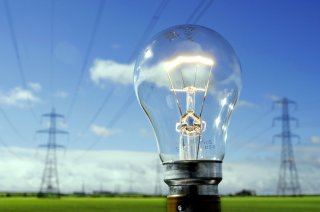
CAPE TOWN: South Africa has taken appropriate steps to curb its budget deficit, yet is falling short in resolving an energy crisis that threatens the economy, the International Monetary Fund’s Deputy Managing Director David Lipton said.

The Budget balances the “need for there to be continued fiscal consolidation to protect the macroeconomic stability of the country with the need to be supportive of growth,” Lipton said in an interview in Cape Town here the other day. In an earlier speech, he said there hasn’t been an adequate response to the electricity shortages.


You might also like

FPCCI president highlights MSME role in economic growth

01/07/2026

FBR reduces regulatory duty on imported SUVs, ATVs

01/07/2026

Finance Minister Nhlanhla Nene raised personal taxes for the first time in two decades in his February 25 Budget speech and curtailed spending growth in a bid to avoid a debt spiral and ward off further credit-rating downgrades. He projected the fiscal deficit will narrow to 2.5 percent of gross domestic product in two years from an estimated 3.9 percent this year.

“Some fiscal consolidation is appropriate,” Lipton said in the interview. “They have picked a reasonable amount, a reasonable path. It should be augmented with policies aimed to overcome the structural rigidities in the economy, including dealing with the electricity sector problems.”

Nene’s goals are at risk as Eskom Holdings SOC Ltd, the state-owned utility that produces 95 percent of South Africa’s electricity, is forced to implement rolling blackouts as it struggles to meet demand.

In a speech at the University of Cape Town, Lipton said the power shortages were “a very expensive and painful wake-up call”.

While the problem could be solved, “I don’t think there is yet a sufficient response”, he said.

The IMF estimates South Africa’s economy has a potential growth rate of 2.5 percent to 3 percent, Lipton said. The government is targeting growth of 5 percent by 2019 as its seeks to reduce a 24 percent unemployment rate.

Authorities should take advantage of lower international oil prices to bolster the economy and encourage greater competition in labor and product markets, Lipton said.
 

Tags: energy crisesIMF

Related Stories

FPCCI president highlights MSME role in economic growth

byCT Report
01/07/2026

ISLAMABAD: Atif Ikram Sheikh, President FPCCI, has apprised that the Small and Medium Enterprises Development Authority (SMEDA) and the Federation...

FBR reduces regulatory duty on imported SUVs, ATVs

byCT Report
01/07/2026

ISLAMABAD: The Federal Board of Revenue (FBR) has significantly reduced the regulatory duty on imported Sport Utility Vehicles (SUVs) and...

Customs Valuation revises import values for perfumes & colognes vide VR No2094/2026

byCT Report
01/07/2026

KARACHI: The Directorate General of Customs Valuation has notified Valuation Ruling No. 2094/2026, replacing the earlier Valuation Ruling No. 1840/2024...

Pakistan’s annual inflation eases to 11.1pc in June, says PBS

byCT Report
01/07/2026

ISLAMABAD: Pakistan’s annual inflation eased to 11.1 per cent in June from 11.7 per cent in May, while prices declined...

Next Post

Kuwait Customs foils attempt to smuggle 1kg heroin

  • Terms and Conditions
  • Disclaimer

© 2011 Customs Today -World's first newspaper on customs. Customs Today.

No Result
View All Result
  • Transfers and Postings
  • Latest News
  • Karachi
  • Islamabad
  • Lahore
  • National
  • Chambers & Associations
  • Business
  • About Us

© 2011 Customs Today -World's first newspaper on customs. Customs Today.