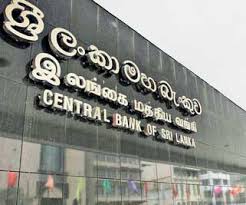
COLOMBO: Sri Lanka’s central bank held its policy rates steady on Thursday and said past tightenings are helping cool inflation and credit growth, signalling receding concerns about price pressure as it focuses on supporting an economy hit by extreme weather. As widely expected, the central bank kept the standing deposit facility rate (SDFR) at 7.25 percent and standing lending facility rate (SLFR) at 8.75 percent – both are now at over a four-year high. “Inflation is expected to ease further towards the end of 2017 and stabilise thereafter due to the tight monetary policy stance maintained since the end of 2015,” the central bank said in its policy statement. It also said that private sector credit growth “indicates clear signs of deceleration in recent months, although at a slow pace”. The central bank expects a modest economic recovery over the coming quarters. Analysts at Capital Economics said the tone of the statement was less hawkish and suggested the central bank’s tightening cycle may now be at an end. “We now expect rates to be left on hold for the remainder of the year, having previously expected a further 50 bp of rate hikes,” they said in a note to clients. “The central bank will also be wary of hiking interest rates at a time when the economy is struggling.” Indeed, the central bank is trying a delicate balancing act between supporting an economy hampered by the worst flooding in over a decade and keeping inflation in check amid still-strong credit growth. The International Monetary Fund said last month further monetary policy tightening “is desirable” until there are clear signs that inflationary pressures are subsiding, and called for more measures to curb strong credit growth.
The central bank raised rates four times since December 2015 through March this year to fend off pressure on the fragile rupee and curb stubbornly high credit growth that had pushed up inflation. Those measures have had some impact, with annual private sector credit growth of 18.9 percent in May slowing from April’s 20 percent and well off a near four-year high of 28.5 percent hit in July 2016. Consumer inflation has also cooled to 4.8 percent in July from a year earlier, from the previous month’s 6.1 percent. The underlying credit growth, however, remains solid and threatens to push up inflation again, although another policy tightening could undermine an economy that has taken a knock from extreme weather conditions – the most sever drought in 40 years in the first quarter and the worst flooding in 14 years. The rate increases have dragged on the $81 billion economy, which grew at an annual pace of 3.8 percent in the quarter ended March 2017, its weakest since the second quarter last year. The Sri Lankan rupee fell 3.9 percent in 2016 and has slipped around 2.6 percent so far this year, pressured by dollar demand from importers and foreign fund outflows from government securities on the back of rising interest rates in the United States. The central bank has also stopped defending the rupee after it missed an end-December reserve target set by the IMF for a $1.5 billion loan.