
Customs Today
  • Home
  • Islamabad
  • Karachi
  • Lahore
  • National
  • Transfers and Postings
  • Chambers & Associations
  • Business
No Result
View All Result
Customs Today
  • Home
  • Islamabad
  • Karachi
  • Lahore
  • National
  • Transfers and Postings
  • Chambers & Associations
  • Business
No Result
View All Result
Customs Today
No Result
View All Result

Sri Lanka earns Rs. 323bn from vehicle taxes in 2015

byCT Report
05/02/2016
in Uncategorized
Share on FacebookShare on Twitter

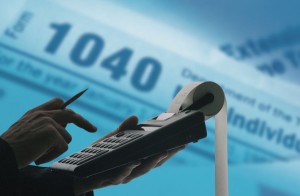
COLOMBO: Sri Lanka has earned 232 billion rupees from vehicle taxes in 2015, Finance Minister Ravi Karunanayake said and a similar volumes are expected in 2016 despite an expected fall in imports. Though vehicle imports may fall, he said tax revenues will be sustained because vehicles imported by the government will now have to pay tax from 2016.

Sri Lanka’s tax revenues are low partly because of such anomalies, but also because state enterprises control large parts of the economy but pay little income tax and many make losses, requiring taxes collected from the people to be put in them to keep them afloat. Many large private enterprises have also been given tax holidays by the state.


You might also like

Pakistan, Kazakhstan set $1b bilateral trade target, call for direct flights, regional connectivity

19/11/2026

LPG prices drop by Rs50 per kg in Karachi as Iranian supplies resume

19/11/2026

The customs department had collected 783 billion rupees in 2015, Minister Karunanayake said. The target for 2016 was 953 billion rupees. In 2015 Sri Lanka expected to collect 1,337 billion rupees of tax revenues. In East Asian nations with high revenue to gross domestic product ratios like Malaysia and Vietnam, state enterprises and energy firms in particular, are key sources of revenue.

Up to November Sri Lanka has spent imported 1,294 billion US dollars (about 180 billion rupees at an exchange rate of 140 to the US dollar) on vehicle imports, up from 785 million dollars last year. Car imports rose as the central bank intervened in credit markets cutting policy rates as loans picked up. Money printed to keep interest rates low and finance a rising budget deficit also put pressure on the rupee making it crash from 131 to 144 to the US dollar.

When money is printed whatever the inflows of dollars come, the excess demand from the newly created money ensures that outflows keep just ahead of it. In order to mop up the excess money foreign reserves have to be spent. If the money is not mopped up, the rupee falls.

Related Stories

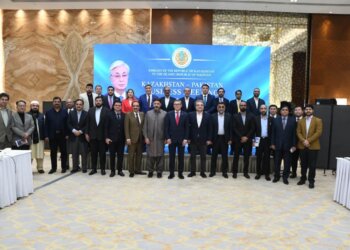
Pakistan, Kazakhstan set $1b bilateral trade target, call for direct flights, regional connectivity

byCT Report
19/11/2026

ISLAMABAD: Business leaders and policymakers from Pakistan and Kazakhstan have called for enhanced economic cooperation, stronger private-sector engagement and improved...

LPG prices drop by Rs50 per kg in Karachi as Iranian supplies resume

byCT Report
19/11/2026

KARACHI: Liquefied petroleum gas (LPG) prices in Karachi have declined by Rs50 per kilogram following the resumption of supplies from...

FBR expands Customs Enforcement Indus jurisdiction to include new entry stations across three provinces

byCT Report
19/11/2026

ISLAMABAD: The Federal Board of Revenue (FBR) has revised the territorial jurisdiction of the Collectorate of Customs Enforcement, Indus, bringing...

Pakistan’s Dany Group buys ex-US Consul General’s residence in Karachi for Rs. 6.92b

byCT Report
19/11/2026

KARACHI: A Pakistani business group has acquired a former United States diplomatic property in Karachi for Rs. 6.92 billion (approximately...

Next Post

Pertamina to buy domestic crude oil to boost supply

  • Terms and Conditions
  • Disclaimer

© 2011 Customs Today -World's first newspaper on customs. Customs Today.

No Result
View All Result
  • Transfers and Postings
  • Latest News
  • Karachi
  • Islamabad
  • Lahore
  • National
  • Chambers & Associations
  • Business
  • About Us

© 2011 Customs Today -World's first newspaper on customs. Customs Today.