COLOMBO: Sri Lanka is seeking Special and Differential Treatments from the World Trade Organization during future negotiations as the country with a debt burden of US$ 65 billion is facing formidable challenges due to the lower tariff structure and any tariff adjustments are only a temporary measure.
“Despite Sri Lanka’s commitments to trade liberalization, a lower tariff structure has forced formidable challenges to the government in particular to the revenue sources,” Industry and Commerce Minister Rishad Bathiudeen said.
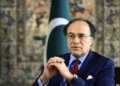
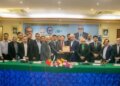
Addressing the Fourth Trade Policy Review of Sri Lanka Sri Lanka on Wednesday in Geneva, Minister Bathiudeen elaborated on Sri Lanka’s achievements in various development indicators and stressed the country’s commitment to WTO’s trade measures. The Review process held from November 1-3 reviews the trade policies and practices of Sri Lanka based on the reports by WTO Secretariat and by the Government of Sri Lanka. Sri Lanka has received around 138 questions from 12 member countries and has submitted written responses to most of the questions.
The Minister said the Fourth Trade Policy Review of Sri Lanka at the WTO is taking place at a historic moment of mainly for two reasons. Firstly, it takes place under the National Unity Government of Sri Lanka and secondly, the Review is focusing on the developments in the country after ending prolonged civil conflict against terrorism of 30 years in 2009.
Minister Bathiudeen pointed out that the rehabilitation and rebuilding process costs the government greatly both in capital and recurrent expenditure which have substantially increased and the government had to rely on debts from international sources. Expressing appreciation to the donors Minister Bathiudeen, said developing its infrastructure to increase its economic potential has resulted Sri Lanka’s reliance on foreign debt.
“The official estimate of what Sri Lanka currently owes its financiers is $65 billion. The country’s debt-to-GDP currently stands around 75% and significant portion of all government revenue is currently going towards debt repayment. As a result, the government started experiencing fiscal difficulties to meet with country’s both development and rehabilitating needs,” the Minister explained.
“As a result the government is making every effort to consolidate its fiscal position. We will give priority to enabling an increase in earnings, through a policy of minimizing regressive taxes, increase the ratio of direct and indirect income tax generation in the medium term from 80%: 20% to 60%: 40%, strengthening the tax management processes while removing tax holidays and benefits,” Minister Bathiudeen added.