COLOMBO: Adverse weather conditions, combined with rising costs and greater competition, threaten to weaken Sri Lanka’s position in the global tea industry, though efforts to develop new markets could help offset downturns in exports and revenue, according to a marketing report published by the global publishing firm, Oxford Business Group (OBG) in United Kingdom.
Flooding in mid-May struck a number of tea-producing regions and led to the inundation of several tea export facilities around Colombo, causing widespread disruption and compounding losses from El Niño-related drought conditions in the first half of this year. According to a research note issued by Colombo-based broker John Keells in mid-August, output from Sri Lanka’s plantations remains low, at a time when production by key competitors is rising.


“Most black tea-producing countries have recorded substantial gains,” the report noted. “However, crop harvest from the Sri Lankan perspective is yet to show any significant improvement and continues well below last year’s levels.”
As of the end of the first half of the year, Sri Lankan production totaled 153 million kg, down 11% y-o-y. By comparison, Indian production increased by 22.3% y-o-y to 230 million kg, while Kenyan growers posted even stronger results, with harvests up 42.3% to 249 million kg.
Tea exports from January to June were down 3.4% y-o-y to 146.5 million kg, according to figures from the Tea Exporters Association, with declines seen in both packets and bags.
The fall in exports accelerated following the May floods, though there was a modest gain in free-on-board value per kg, which was up 1.8% y-o-y to Rs. 609.88 million ($4.20 million) in the first half of the year. Nonetheless, overall rupee-denominated export revenues declined by 51.6% over for the period.
Along with stronger competition, exports have been affected by downturns in some key overseas markets – in particular, by the slowing of the Russian economy, combined with conflicts in some areas of the Middle East and the ongoing US-imposed banking restrictions affecting trade with Iran.
To counter these headwinds, new avenues need to be opened, according to Malik Fernando, director of a leading value-added exporter, Dilmah Tea.
“It’s imperative to find new distribution markets, as 75% of Ceylon tea heads to Russia and the Middle East,” Fernando told OBG. “The industry needs to hedge itself to avoid an even larger drop in demand.”
While also acknowledging that sales are falling, Rohan Pethiyagoda, chairman of the Sri Lanka Tea Board, told OBG that the process of deepening penetration in new countries is gaining pace and should help offset any downturn.
“Our primary export markets are struggling,” he said, mentioning Syria, Turkey, Iran, Iraq and Russia. “China and North America are new options for exports on the horizon. Currently, 6% of all exports go to China, and this is growing by 30% per year.”
Officials have also been promoting Sri Lankan tea, with pitches being made in China as well as the developing US market, where organic strains have already carved out a niche in areas like California.
Higher wages, however, might curb Sri Lanka’s competitive edge in entering new markets, with Kenyan and Indian pluckers paid less than half as much per day on average as Sri Lankan plantation workers.
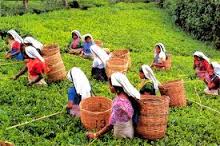
Worse, tea plucking in Kenya, the country’s strongest competitor, is almost entirely mechanized, whereas plucking in Sri Lanka is done predominantly by hand because of differences in terrain and the way tea is planted. This results in labor costs that are an order of magnitude higher than Kenya’s.