COLOMBO: Sri Lanka is set to sign a major trade deal with India later this year, which it hopes will be the first step towards the island becoming a financial and business hub in the region. But the government of Ranil Wickremesinghe, prime minister, will have to work harder to win over domestic opponents of the Economic and Technological Cooperation Agreement (ETCA) who fear it will result in the country’s exploitation by Indian businesses.
Earlier this month Mr Wickremesinghe announced that the ETCA would be signed by the end of December. Sri Lanka has two other free trade agreements in the pipeline, with Singapore and China. The government began negotiations on the former in June and is expected to complete the latter by March 2017.

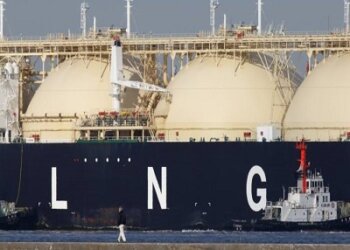
The country is viewed in Asia as an attractive trading partner for two reasons: its geographic location at the crossroads of major international shipping routes and its good relations with key regional players such as China, India, Pakistan and Singapore, who hope to use Sri Lanka to access each other’s markets. Amid rising tensions between India and its rivals Pakistan and China, such a role could become increasingly important.
Sri Lanka’s ambition to become an important economic hub in the region hinges on the successful implementation of the ETCA. The trade deal would create a mechanism to boost post-war development in Sri Lanka through increased Indian investment and give Sri Lanka access to markets in India’s southern states, which have a combined economy of $500bn.
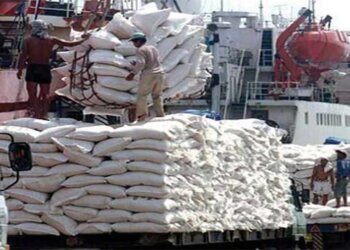
Indian manufacturers would, in turn, benefit by setting up factories in Sri Lanka, enabling their goods to be exported to Pakistan and China whose sour relations with India make direct trade problematic.