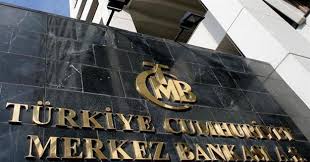
ANKARA: With two weeks to go before a referendum that could remodel Turkey’s political landscape, the central bank has pushed interest rates to the upper reaches of its monetary framework and depleted its policy tool of choice: flexibility. As of Tuesday, the bank’s average interest rate was 11.47 percent, near the mathematical limit of its current funding mix. That leaves the regulator almost maxed out should the lira come under renewed pressure before next Sunday’s vote, when Turks will decide whether to abolish the prime minister’s job and greatly expand the powers of President Recep Tayyip Erdogan.
Meanwhile, two-week option contracts, which encompass a period that includes the April 16 referendum, show implied volatility on the lira surging to a two-month high of 17 percent. While the currency has appreciated in the past month as the central bank pulled rates up, the lira remains by far the worst performer among major emerging markets this year, with a loss of 4 percent against the dollar. “It looks like the bank has come to the limits of what it can do to tighten” until the next meeting of the Monetary Policy Committee on April 26, Ibrahim Aksoy, a strategist at HSBC Investment Management in Istanbul, said by email. “We could be faced with a picture where the lira is among the biggest losers on days when perception on emerging markets deteriorates.”