
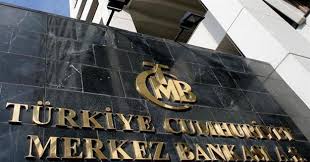
ANKARA: Turkey’s central bank will stick with unorthodox measures to keep borrowing costs at five-year highs at least until inflation peaks this year, according to people familiar with its thinking, despite sharp criticism from investors. The bank has long puzzled markets with a complex system of setting policy through multiple interest rates but it ratcheted up the difficulty last month by introducing new liquidity measures to shore up the sagging lira currency.
While investors would prefer more decisive and transparent rate increases, the moves appear to be working. The weighted average cost of funding CBTWACF= climbed to 10.37 percent last week, the highest since the middle of 2012, and the lira has stabilized, with some help from the easing U.S. dollar. The central bank is now likely to stay the course and keep funding costs stable until inflation crests, anticipated in or around April, according to three people who declined to be identified because of the sensitivity of the matter. “Do not expect the central bank’s policy stance to change on a daily basis,” one of them said. “These new measures will continue for some time, perhaps until April or May, when inflation will be at its highest.”


Annual inflation, which was running at 9.22 percent in January, is expected to reach double-digits in the coming months but slacken off in the second half, economy officials have said. “When we take the required reserves held by banks into consideration, apart from insignificant changes of a few points, we don’t see any changes to the interest rates making up the central bank’s funding composition,” another person said. Once seen as one of the world’s most promising emerging markets, Turkey is no longer a darling of investors. They worry about political uncertainty, insecurity including Islamist militant violence and a Kurdish insurgency, a slowdown in the $718 billion economy and the central bank’s ability to curb inflation.



